
Do Kids Make Friends Faster at a Summer Camp in Miami?
Most parents think summer camp is just about keeping kids busy. Activities in, exhaustion out. But friendship formation runs deeper than that — and if you're not paying attention, you're missing the real value. Camp isn't just structured play. It's a social laboratory where bonds form fast, especially when the environment pushes kids out of their comfort zones and into shared experiences.
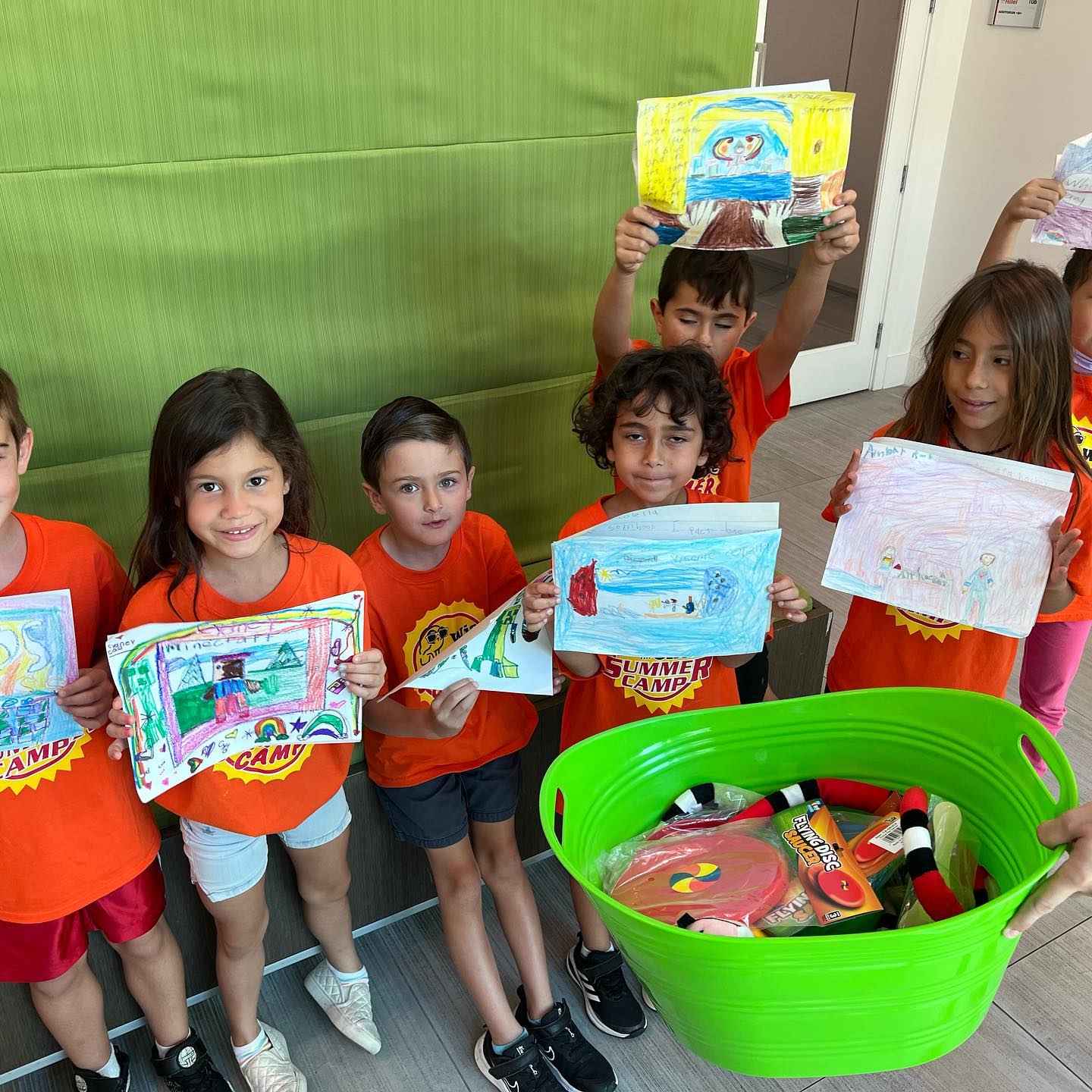
Here's what matters. Miami camps don't operate like suburban rec programs. The diversity is real. The pace is different. And the setting — beaches, heat, cultural mix — creates conditions where kids drop their guards faster than they would back home. Every interaction counts. Every group challenge builds trust. And every friendship that forms is rooted in what they did together, not just who sat next to whom in homeroom.
Why Miami Camps Hit Different
Miami isn't your average backdrop. The city pulses with energy, and that bleeds into how camps operate. Kids show up from all over — different languages, different neighborhoods, different comfort levels. That mix forces adaptation. And adaptation breeds connection.
The outdoor access doesn't hurt either. When your camp day includes ocean swims, beach games, or kayaking through mangroves, you're not just checking boxes. You're creating moments that stick. Shared adrenaline builds camaraderie faster than any icebreaker worksheet ever could.
Structure That Forces Interaction
We've seen it play out year after year. Camps that lean into team-based programming see faster friend groups forming. It's not magic. It's design. When kids have to work together to win a relay, build a raft, or solve a scavenger hunt, they're forced to communicate. And communication is where friendship starts.
Miami camps tend to front-load the social stuff. First-day mixers, buddy systems, rotating activity partners — all of it pushes kids to engage before they have time to retreat into their shells. For kids who struggle socially, that structure is a lifeline. For extroverts, it's rocket fuel.
Counselors Who Know What They're Doing
A good counselor doesn't just supervise. They facilitate. They spot the kid standing alone and pull them into the circle. They model inclusivity without making it feel forced. And in Miami, where many camps draw international families, counselors are trained to bridge cultural and language gaps with intention.
Low ratios help too. When one counselor is watching twenty kids, things slip through. When it's one to eight or one to ten, every camper gets noticed. That attention builds confidence. And confident kids make friends faster.
Moments That Stick
Camp friendships don't form in downtime. They form in the moments that matter. The first time a kid conquers the climbing wall. The night they perform in front of everyone. The afternoon they get caught in a rainstorm and laugh through it. Miami's setting amplifies those moments. Palm trees, ocean air, the hum of a city that never quite slows down — it all adds texture.
Kids leave Miami camps with stories. And those stories come with names attached. The friend who helped them through homesickness. The cabin mate who made them laugh. The teammate who had their back during the relay. Those bonds don't dissolve when camp ends. They carry forward.
What Happens When It Gets Hard
Not every camp moment is sunshine and high-fives. Some kids get homesick. Some struggle with new routines. Some clash with cabin mates or feel left out during free time. But here's the thing — those struggles create opportunities. When kids navigate discomfort together, they build trust. When they see a peer overcome something tough, they respect them more. Miami camps that handle conflict well turn those rough patches into relationship fuel.
- Homesickness gets easier when a bunkmate shares their own story
- Group challenges teach kids to lean on each other, not just themselves
- Conflict resolution sessions build empathy and communication skills
- Shared vulnerability creates deeper connections than surface-level fun ever could
The Diversity Factor
Miami's cultural makeup isn't window dressing. It's functional. When kids interact with peers from different backgrounds, they learn to adapt, listen, and find common ground. That skill set translates directly into faster friendship formation. They stop waiting for someone "just like them" and start connecting over shared interests, humor, or goals.
- Exposure to multiple languages normalizes communication differences
- Cultural variety teaches kids to ask questions instead of making assumptions
- Diverse peer groups reduce cliques and broaden social circles
- Kids learn that "different" doesn't mean "difficult"
Activities That Break Down Walls
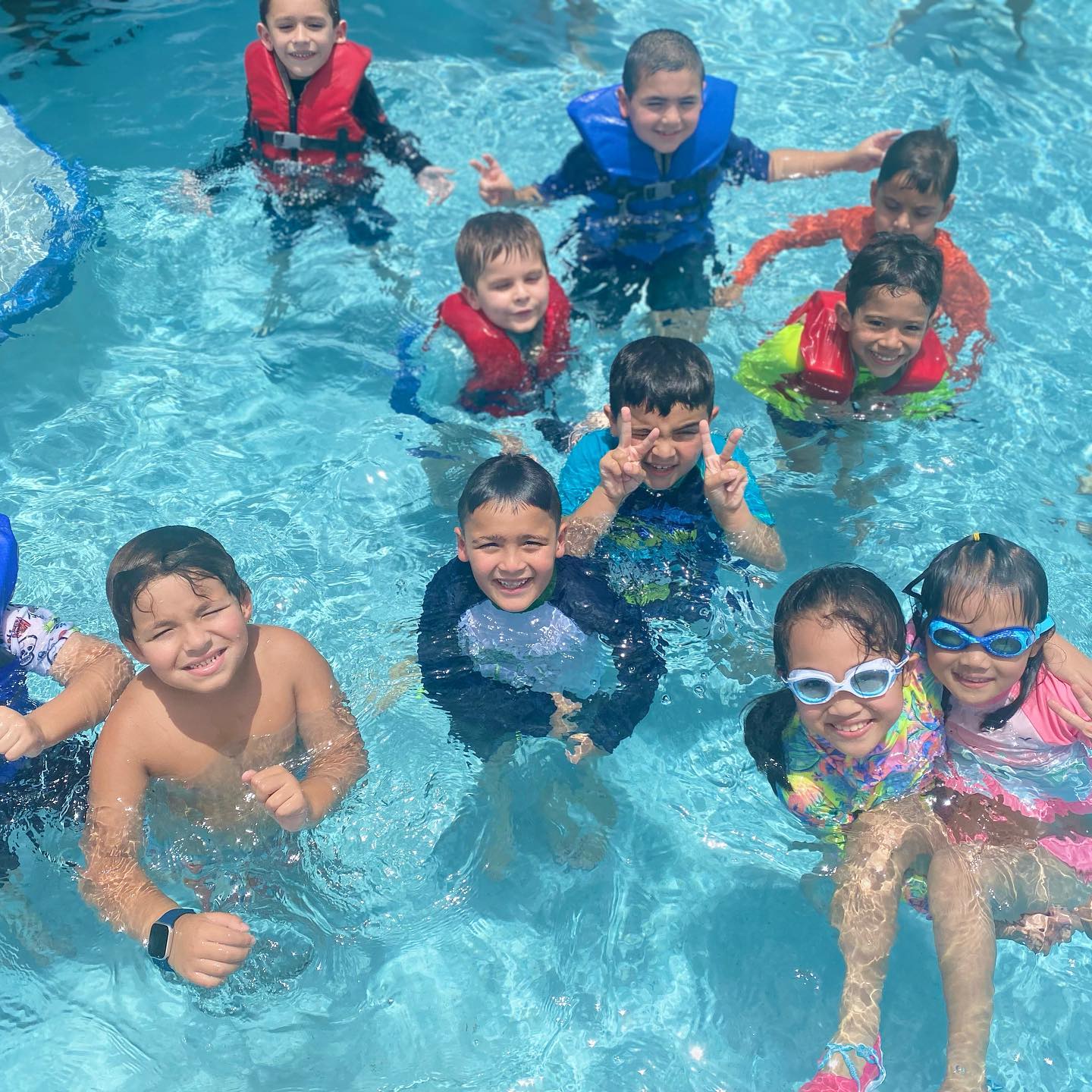
Miami camps lean into their geography. Beach volleyball, paddleboarding, snorkeling trips — these aren't just fun. They're equalizers. A kid who's shy in conversation might shine on the water. A camper who struggles academically might dominate at capture the flag. When outdoor activities vary, every kid gets a chance to contribute. And contribution builds belonging.
- Water sports create natural teamwork scenarios
- Outdoor challenges require trust and communication
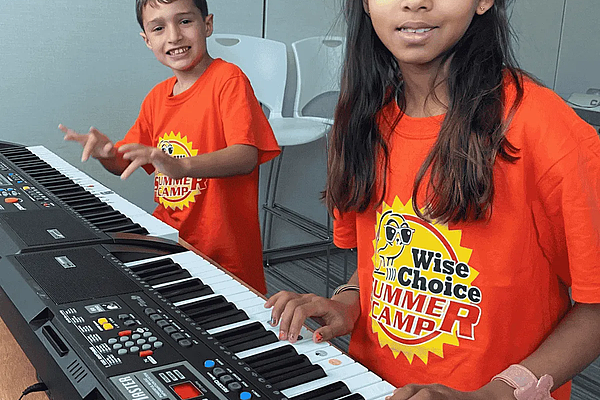
- Creative projects let quieter kids express themselves
- Rotating activities prevent the same kids from dominating every space
What Parents Miss
A lot of parents focus on the wrong metrics. They ask if their kid had fun. They check if the food was good. But the real question is whether their child left camp with new social skills and real connections. Miami camps that prioritize relationship-building over entertainment create lasting value. Fun fades. Friendships stick.
- Social confidence carries into the school year
- Kids who make friends at camp approach new situations with less fear
- Peer connections formed outside school hierarchies feel more authentic
- Camp friendships often outlast classroom friendships because they're rooted in shared experience, not proximity
The Pace of Connection
Speed matters. A week at camp compresses months of school-year interaction into a concentrated burst. Kids eat together, sleep in the same cabin, face challenges side by side, and celebrate wins as a unit. That intensity accelerates bonding. In Miami, where the environment itself feels heightened — the heat, the energy, the sensory overload — that acceleration gets even faster.
- Constant proximity forces kids to engage, not retreat
- Shared routines create familiarity and comfort
- Limited screen time pushes face-to-face interaction
- The novelty of the setting keeps kids present and engaged
Friendship Formation That Lasts
Miami camps don't just help kids make friends faster. They help them make better friends. The bonds formed under pressure, in unfamiliar settings, with diverse peers — those are the ones that endure. We've watched campers exchange contact info, plan reunions, and stay connected long after the final campfire. That's not luck. That's the result of an environment designed to push kids toward each other, not away. Programs that combine swimming, arts and crafts, fitness, and field trips create diverse touchpoints where different personalities can connect. Parents looking for camp locations throughout Miami will find that the best programs understand how Miami summer camps mix learning and fun to create lasting social bonds.
Ready to See Your Child Thrive?
We believe every child deserves a summer filled with new friendships, confidence, and unforgettable memories. If you want your child to experience the unique social magic of a Miami summer camp, let's talk about how we can make it happen together. Call us at 305-630-3600 or contact us today to get started.
‹ Back
Recent Posts
-
Making Memories With Friends at a Miami Summer Camp
October 1, 2026
-
What Makes Summer Camp at the University of Miami So Much Fun?
September 17, 2026
-
Fun Things Kids Can Do at FIU Summer Camp in Miami
September 3, 2026
-
Which Miami Summer Camp Has the Activities Your Child Will Love?
August 20, 2026
-
Is the University of Miami the Right Choice for Summer Camp?
August 13, 2026