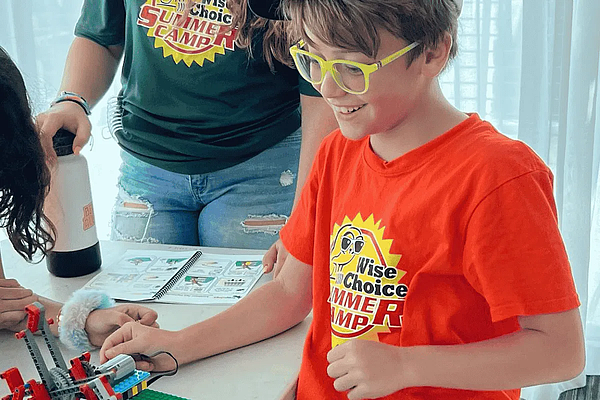

Is Routine Important at a Kids Summer Camp in Miami?
Most parents think summer camp is all about chaos and freedom. Kids running wild, zero structure, pure fun. But anyone who's actually run a camp — or watched what happens when there isn't a schedule — knows better. Routine isn't the enemy of fun. It's what makes fun sustainable. Without it, you get meltdowns, confusion, and a lot of parents asking why their kid came home exhausted but somehow didn't do anything memorable.

Here's the reality. Miami summer camps operate in heat, humidity, and a city that never stops moving. That environment demands structure, not in spite of the fun, but because of it. Every activity needs a window. Every transition needs a plan. And every kid deserves to know what's coming next — even if what's coming is a water balloon fight.
Why Structure Doesn't Kill the Vibe
Routine gets a bad reputation because people confuse it with rigidity. They picture boot camp schedules and whistles and clipboards. That's not what we're talking about. A good camp routine is more like a rhythm than a rulebook. It flows. It adapts. But it's always there, creating a foundation kids can rely on without even realizing it.
When children know that mornings start with outdoor play, lunch happens at noon, and crafts come after rest time, they stop worrying about what's next. That mental space opens up room for creativity, connection, and actual engagement. They're not asking when snack is. They're building friendships and trying new things because the framework is solid.
What Routine Actually Delivers
We've seen it play out summer after summer. Camps with clear routines outperform camps that wing it. Not because the activities are better, but because kids can actually absorb them. Here's what a well-designed schedule brings to the table:
- Predictability reduces anxiety: Kids who know what to expect settle in faster and feel safer exploring new experiences.
- Energy management becomes possible: You can't run high-intensity activities back-to-back in Miami heat without burning kids out. Routine spaces things out.
- Social bonding gets stronger: Repeated group activities create familiarity, and familiarity builds trust among campers.
- Time for everything matters: Without structure, the loudest activity wins. With it, every kid gets a shot at what they love.
- Behavioral issues drop: Chaos breeds acting out. A clear schedule gives kids boundaries they can understand and follow.
How Miami's Climate Changes the Game
Running a summer camp in Miami isn't the same as running one in Colorado. The heat alone demands that you schedule smarter. Morning swims aren't just fun — they're survival. Midday shade breaks aren't optional. And late afternoon activities need to account for thunderstorms that roll in like clockwork.
A routine that works in Miami has to be climate-aware. That means front-loading physical activity before the sun peaks. It means hydration checkpoints built into every block. And it means having indoor backup plans that don't feel like punishment when the weather turns. The camps that succeed here are the ones that design their schedules around reality, not around a Pinterest board.
Flexibility Lives Inside the Framework
Routine doesn't mean you can't pivot. It means you have something to pivot from. If a surprise opportunity pops up — a visiting performer, an unexpected open pool slot, a spontaneous talent show — a good schedule can bend without breaking. But if there's no structure to begin with, those moments just create more confusion.
The best camps build flex time into their routines. They leave buffer zones between activities. They rotate offerings so kids don't get bored. And they empower staff to adjust on the fly when it makes sense. That's not chaos. That's professional improvisation with a safety net underneath.
Different Ages Need Different Beats
A schedule that works for six-year-olds will suffocate twelve-year-olds. Younger campers need shorter blocks, more transitions, and built-in downtime. Older kids can handle longer projects, more autonomy, and tighter timelines. One size doesn't fit all, and any camp pretending otherwise is cutting corners.
Miami camps that separate age groups and tailor their routines accordingly see better engagement across the board. The little ones get naps and snacks when they need them. The older crew gets challenge courses and maker labs that demand focus. Everyone wins when the rhythm matches the developmental stage.

What Parents Should Look For
Not all camp schedules are created equal. When you're evaluating options in Miami, dig into the details. Ask how their day is structured. Find out how they handle transitions. Look for camps that can articulate their approach without sounding defensive or vague.
- Clear daily breakdown: You should be able to see what happens hour by hour, even if there's flexibility baked in.
- Balance between active and quiet time: All go, no rest equals burnout. All rest, no go equals boredom.
- Age-appropriate pacing: Younger kids need more frequent breaks. Older kids need more complex challenges.
- Weather contingency plans: Miami weather is unpredictable. Good camps have indoor alternatives ready.
- Staff training on transitions: Moving thirty kids from one activity to another isn't automatic. It takes planning and practice.
When Routine Falls Apart
We've all heard the horror stories. Camps where kids spend half the day waiting in line. Programs where no one knows what's happening next. Facilities where the schedule exists on paper but never in practice. That's not a camp. That's expensive babysitting with a brochure.
The fallout is real. Kids come home overstimulated and exhausted. Parents feel like they wasted money. And the camp itself burns through staff because no one can function in that kind of disorder. Routine isn't a luxury. It's the difference between a camp that works and one that doesn't.
Building Habits That Stick
Here's what most people miss. The routine kids follow at camp doesn't just make their summer better — it teaches them how to manage their own time. They learn that structure and fun can coexist. They see how preparation makes experiences richer, not more boring. And they start to internalize patterns that help them long after camp ends.
That's the quiet win. A kid who learns to transition smoothly between activities at camp is a kid who can handle the shift from class to lunch to recess without falling apart. A child who thrives in a well-run schedule is a child who's building executive function skills that will carry them through middle school and beyond.
Routine Is the Backbone, Not the Cage
Summer camp in Miami can be everything parents hope for — adventure, growth, friendships, and memories that last. But none of that happens by accident. It happens because someone built a schedule that works. Because staff know what's expected. Because kids feel secure enough to take risks and try new things. Benefits of attending summer camp in Miami extend far beyond fun — routine creates the foundation that helps children develop confidence, social skills, and time management abilities. Routine isn't what holds them back. It's what sets them free to actually enjoy the ride.
Ready to Give Your Child a Summer to Remember?
We believe every child deserves a summer filled with excitement, growth, and lasting friendships—all made possible by a thoughtful routine. If you want your child to thrive in a camp environment that balances structure with fun, let's talk about how we can make that happen together. Call us at 305-630-3600 or contact us to start planning your child's best summer yet.
‹ Back
Recent Posts
-

Which Electives Can Kids Choose at a Miami Summer Camp?
July 23, 2026
-

-

Which Miami Summer Camp Location Is Closest to You?
July 9, 2026
-

-