
Can a Summer Camp in Miami Help Kids Try New Hobbies?
Most parents see summer camp as babysitting with activities. A place to park the kids while school's out. But if you're paying attention, you'll notice it's more than that — and if you're not, you're missing what's actually happening. Camps don't just fill time. They open doors. Especially when your kid walks in scared of water and leaves asking for swim lessons year-round.
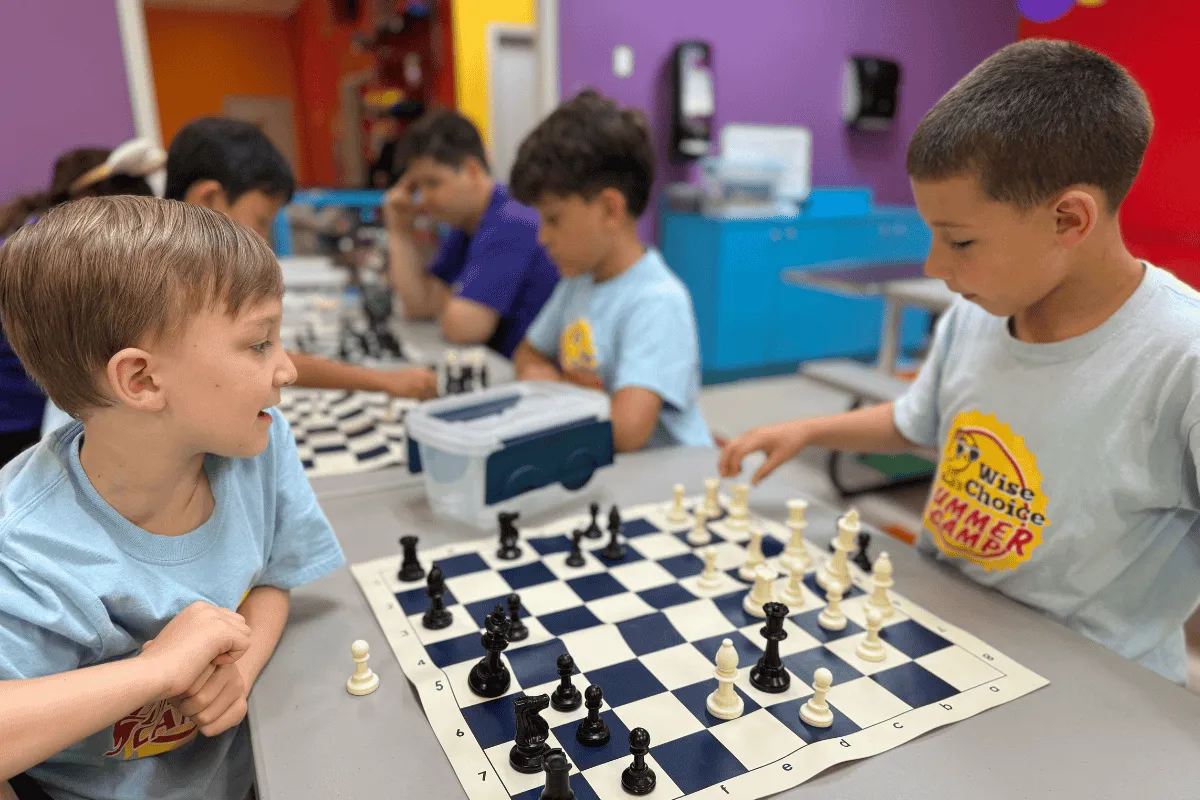
Here's what matters. If you're signing up your child to explore something unfamiliar, that's smart. Just don't expect transformation without structure. Every new skill needs repetition. Every interest needs a spark. And every breakthrough happens when the environment makes trying feel safer than sitting still.
When a Week Changes What They Think They Like
Most kids show up with a fixed idea of who they are. The soccer kid. The art kid. The one who hates getting dirty. But drop them into a camp with rotating stations and watch that certainty crack. They're not locked into one identity anymore — they're sampling.
Miami camps lean into variety because they can. You've got access to beaches, studios, fields, and tech labs all within a few miles. A Tuesday morning might mean paddleboarding. Afternoon could be pottery. By Thursday they're learning basic code or trying improv. That range matters. It gives kids permission to be curious without committing to anything permanent.
The Stuff They Won't Try at Home
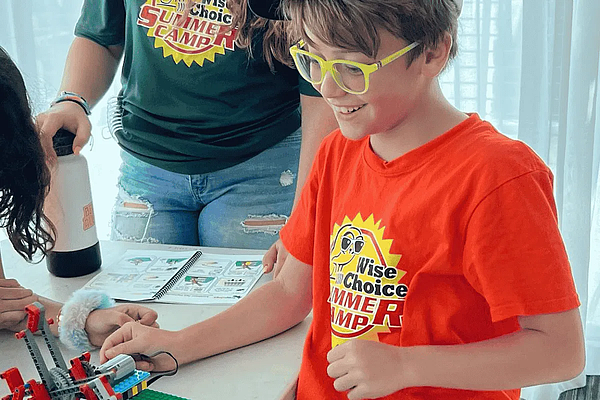
Your living room isn't set up for screenprinting. Your backyard doesn't have a rock wall. And most parents aren't trained to teach archery or marine biology. Camps fill that gap — not just with equipment, but with people who know how to make the first attempt feel manageable.
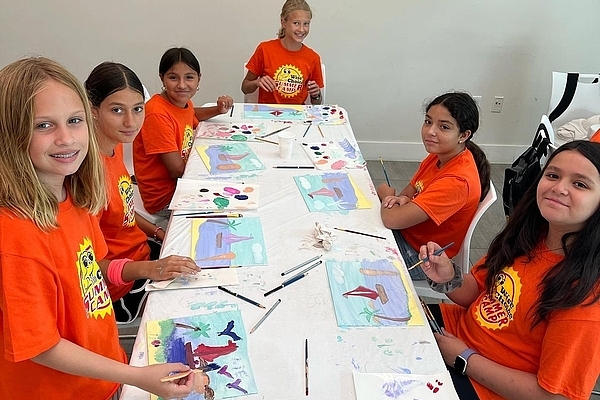
Instructors at these programs aren't just supervising. They're watching for hesitation and stepping in before it turns into refusal. They know how to lower the stakes, celebrate the small wins, and keep the mood light enough that failure doesn't sting. That's the environment where a kid who's never held a paintbrush picks one up. Or a child afraid of public speaking tries a line in the camp play.
What Keeps Them Coming Back
We've seen it happen fast. A child tries something once, feels competent, and suddenly that's all they want to talk about. The shift isn't always dramatic, but it's real. And it usually comes down to a few key ingredients that camps get right.
- Low pressure – No grades, no tryouts, no comparisons to siblings or classmates
- Immediate feedback – They see results in real time, whether it's a finished craft or a successful dive
- Peer energy – When other kids are excited, enthusiasm spreads fast
- Guided independence – They're trying things on their own, but help is always nearby
- Novelty – New settings and new faces make even familiar activities feel fresh
That combination is hard to replicate at home or in school. Camps are built for it. And when it clicks, kids start asking for more.
Where Miami's Geography Actually Helps
You can't teach ocean science in Ohio the same way you can in Miami. The city's layout gives camps an edge — not just because of the water, but because of the culture, the climate, and the sheer variety of environments within reach.
Camps here don't just talk about ecosystems. They take kids to mangroves. They don't just teach rhythm. They bring in local drummers and dancers who make it feel like more than a lesson. The access is real, and it changes what's possible during a single summer session.
- Beaches and marine parks for snorkeling, tide pooling, and water safety
- Art districts where kids see working artists and visit galleries
- Bilingual staff and multicultural programming that reflect the city's diversity
- Outdoor sports that don't require indoor gyms or artificial turf
- Year-round warm weather that allows for activities other cities can't schedule reliably
The Confidence Boost No One Talks About
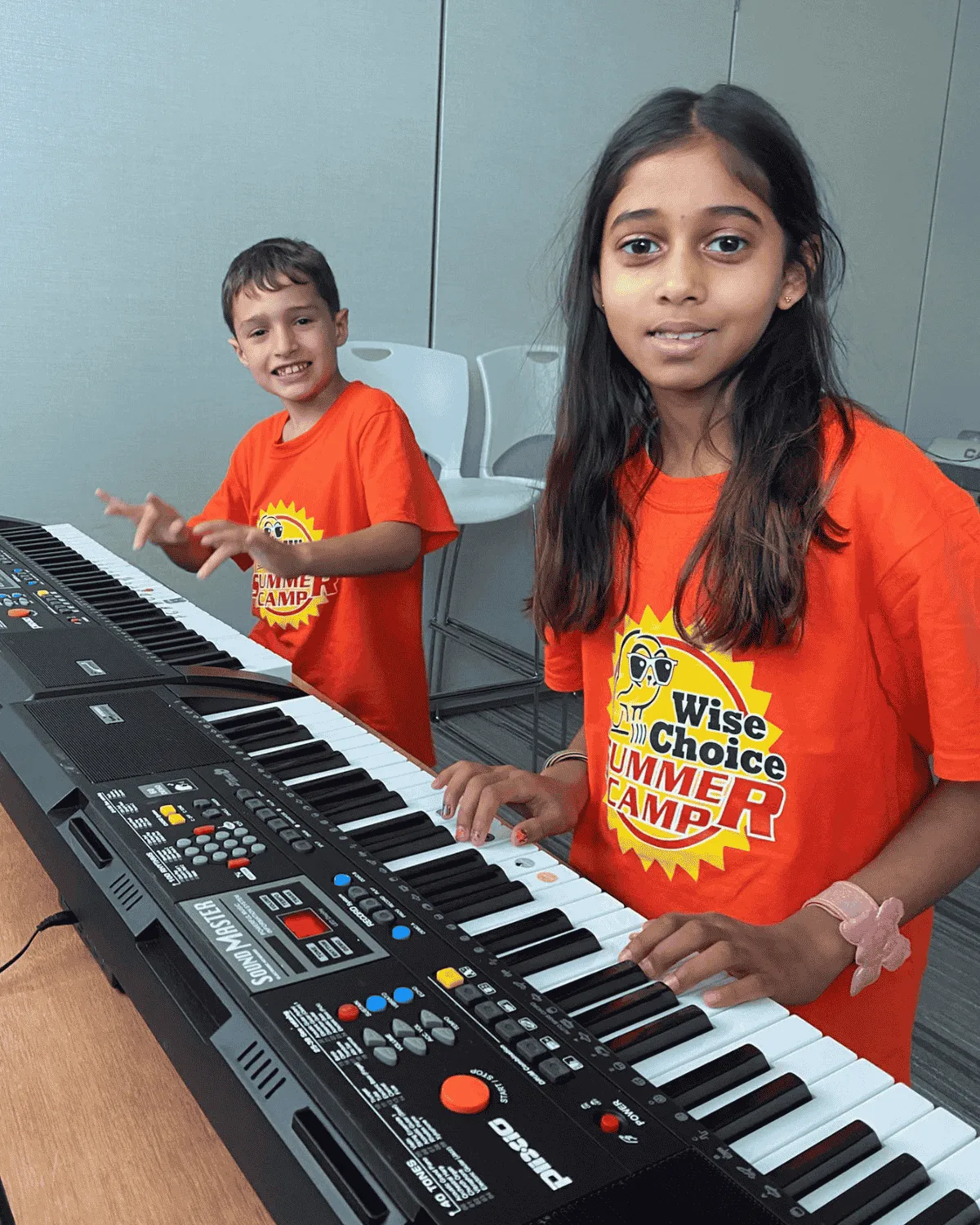
Trying something new is risky. Especially for kids who've been told they're "not athletic" or "not creative." Camps break that narrative by putting everyone on the same starting line. No one's an expert. No one's been doing this for years. Everyone's figuring it out together.
That levels the field in a way school doesn't. And when a child realizes they can learn something they thought was off-limits, that confidence spills over. They start raising their hand more. They try out for things. They stop waiting for permission to be interested.
What Parents Should Actually Look For
Not every camp is built the same. Some are glorified daycare with a bounce house. Others are hyper-focused on a single skill and forget that kids need variety. If you want your child to try new hobbies, you need to pick a program that's designed for exploration — not just containment.
- Multiple activity rotations throughout the day or week
- Staff trained in child development, not just activity supervision
- A mix of structured lessons and free exploration time
- Access to real equipment, not just watered-down versions
- Clear communication about what your child actually did each day
Ask questions before you sign up. Look at schedules. Talk to other parents. A good camp will have answers and examples, not just glossy brochures.
How to Keep the Momentum Going
Camp ends. Summer ends. But the interest doesn't have to. If your child discovered something they love, don't let it fade because school started. Build it into their routine. Find local classes, clubs, or practice time. Let them know you noticed what lit them up.
That follow-through matters. Camp plants the seed, but parents decide whether it grows. Keep the conversation going. Celebrate progress. And don't force it if they move on. Sometimes trying something new is enough — even if they don't stick with it forever.
- Enroll them in continuation classes or workshops that match camp activities
- Buy beginner-level equipment or supplies so they can practice at home
- Connect with other camp families who share similar interests
- Look for community programs, museums, or clubs that align with what they tried
- Let them teach you what they learned — it reinforces their confidence and memory
The Real Takeaway from a Single Summer
Summer camp isn't a cure-all. It won't turn every kid into a prodigy or fix every struggle. But it does something school and home can't always do — it creates space for surprise. For the quiet kid who finds their voice in theater. For the screen-obsessed child who falls in love with woodworking. For the athlete who realizes they're also artistic.
Miami camps offer more than activities. They offer permission. Permission to try, fail, try again, and walk away knowing more about who they are. That's not a small thing. And it's exactly what summer should be for.
- Exposure to hobbies they'd never encounter in a typical school year
- A break from academic pressure with a focus on play and exploration
- Social connections built around shared interests, not just proximity
- Skill-building in areas that don't show up on report cards but matter just as much
- Memories tied to discovery, not just entertainment or distraction
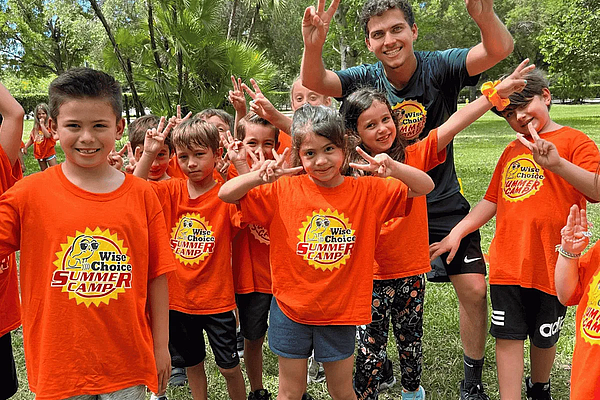
If you're looking for a summer camp in Miami that combines fitness activities, arts and crafts, exciting field trips, and more, explore our convenient locations today.
Ready to Spark New Interests?
Every summer is a chance for our kids to discover something unexpected about themselves—and for us to support that journey. If you want to give your child a summer filled with growth, fun, and new hobbies, let's make it happen together. Call us at 305-630-3600 or contact us to start planning a summer they'll never forget.
‹ Back
Recent Posts
-
Which Electives Can Kids Choose at a Miami Summer Camp?
July 23, 2026
-
-
Which Miami Summer Camp Location Is Closest to You?
July 9, 2026
-
-