
Do Rainy Days Ruin the Fun at a Miami Summer Camp?
Most parents think summer camp is all about sunshine. Endless pool time, outdoor games, sweat-soaked t-shirts. But Miami weather doesn't care about your expectations — and if your kid's camp isn't ready for it, you're in for a long week. Rain happens here. Almost daily between June and August. The question isn't whether it'll pour, but whether the camp knows what to do when it does.
So here's the reality. If you're sending your child somewhere that folds when the skies open up, that's a problem. Real camps don't just survive the rain — they adapt. Every schedule should have a backup plan. Every counselor should know how to pivot without missing a beat. And every activity canceled outdoors should have something equally engaging waiting indoors.
Afternoon Storms Are Part of the Deal
Miami isn't just warm. It's tropical, which means humidity builds all morning and releases in dramatic bursts most afternoons. Some showers last ten minutes. Others settle in and drench everything for hours. Either way, outdoor plans get disrupted — and camps that aren't prepared waste everyone's time.
But if a storm means cancelled fun or bored kids staring at their phones? That's not weather's fault. That's poor planning. The best camps in Miami operate under the assumption that rain will show up uninvited. They build schedules around it, not in spite of it.
Indoor Spaces That Actually Matter
You can't fake infrastructure. A camp with one cramped room and a pile of board games isn't equipped for Miami summers. We're talking about facilities that can absorb a hundred restless kids when the lightning starts — gyms, art studios, multipurpose halls, covered pavilions.
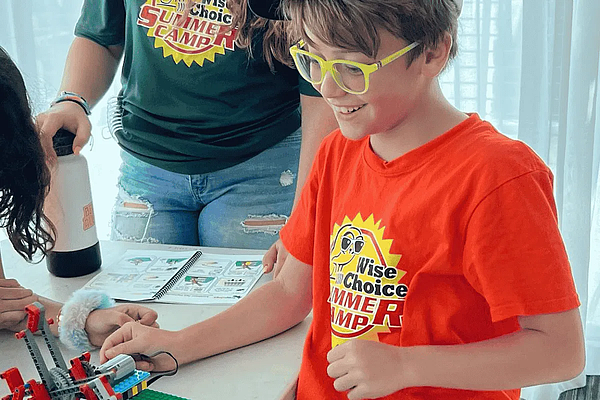
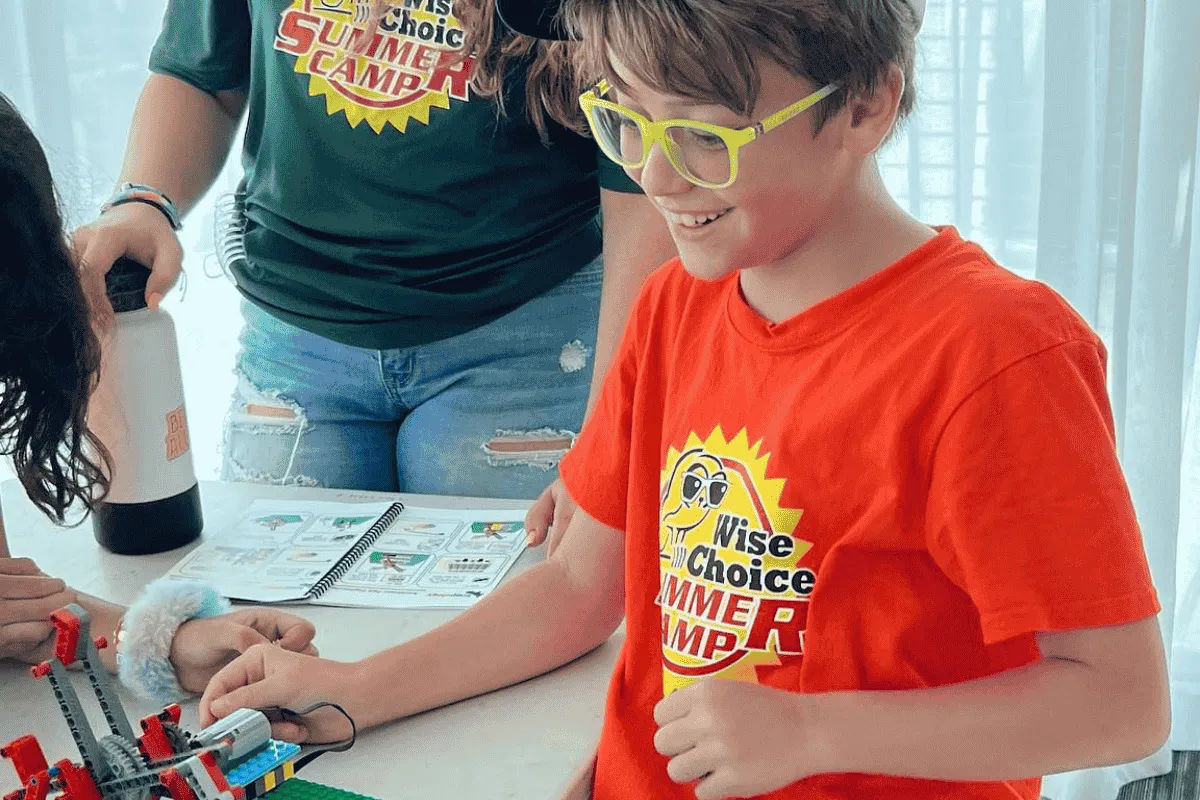
These spaces become command centers on rainy days. Kids rotate through stations, dive into projects, compete in tournaments, collaborate on creative challenges. Some camps even use the downtime to bring in guest instructors or introduce skills campers wouldn't normally try. When done right, indoor time doesn't feel like a consolation prize. It feels like its own adventure.
What Happens When Plans Get Tossed
Flexibility separates average camps from great ones. When the forecast flips, staff need to improvise — not panic. That means counselors who can shift gears without making it obvious, who treat surprises as opportunities instead of inconveniences.
- Arts and crafts sessions that go deeper when there's extra time
- Indoor relay races and obstacle courses using whatever's on hand
- Group storytelling or improv games that get everyone laughing
- Cooking or science experiments that turn the day into something memorable
- Talent shows or karaoke sessions where kids take the spotlight
Kids pick up on energy fast. If the staff treats rain like a disaster, campers will too. But if counselors lean into it with enthusiasm and creativity, the day becomes something kids talk about for weeks.
Rainy Days Build Different Skills
Not every lesson happens on a soccer field. Rainy camp days teach patience, adaptability, problem-solving under constraints. Kids learn to roll with changes they can't control. They discover new interests because the usual options are off the table. They bond over shared experiences that wouldn't have happened if the sun had stayed out.
Some of the tightest friendships form during these slower, unscripted moments. Sitting together in the arts room, collaborating on a messy project, cracking jokes while the rain hammers the roof — that's where real connection happens. And for campers who struggle with high-energy outdoor activities, rainy days can level the playing field.
How Camps Handle the Forecast
Smart camps don't wait for the first crack of thunder to figure things out. They monitor weather all morning. They communicate with parents if storms look severe. They have clear protocols for moving indoors, designated shelters, and backup timelines already printed.
- Staff trained to watch radar and make calls early
- Emergency procedures everyone knows by heart
- Parent notifications sent via text or app updates
- Alternate activity schedules ready to deploy instantly
- Safety drills practiced before camp even starts
This isn't about overreacting. It's about preparation. When storms roll through Miami, they can bring lightning, heavy winds, and flash flooding. Camps that take safety seriously don't gamble with outdoor activities when conditions turn dangerous. They act fast and communicate clearly.
The Downtime That Shouldn't Exist
Boredom is a camp director's failure, not a weather problem. If kids spend an hour sitting around waiting for something to happen, that's a gap in planning. Rainy days require the same level of engagement as sunny ones — just in different settings.
Camps should have equipment staged for indoor use. Bins of supplies. Backup tech for video presentations or music activities. Materials for hands-on learning. The goal is zero dead time. Every transition should be smooth. Every activity should feel intentional, not thrown together at the last second because someone forgot to check the weather.
Educational Angles Hidden in the Storm
Rain creates teaching moments most camps ignore. Why does Miami get so much afternoon rain? What's happening in the atmosphere? How do weather patterns affect local wildlife? These conversations turn downtime into discovery.
- Tracking storms on radar apps and discussing meteorology basics
- Exploring how rain impacts the Everglades ecosystem
- Learning about water cycles, drainage systems, and urban planning
- Discussing climate patterns and seasonal shifts in South Florida
- Experimenting with water science through hands-on projects
For younger campers, rainy days offer chances to practice emotional regulation. Disappointment is real when a favorite activity gets cancelled. But learning to adapt, find joy elsewhere, and stay positive — those are life skills with long-term value.

Parents Should Ask the Right Questions
Before you commit to any Miami summer camp, dig into their rainy day plan. Don't settle for vague reassurances. Ask specifics. What indoor facilities do they have? How do they communicate weather changes? What's the backup programming look like? How many staff are trained in emergency procedures?
- Tour the indoor spaces before signing up
- Ask about staff-to-camper ratios during weather disruptions
- Review their communication protocol for severe storms
- Check references from families who attended in previous rainy seasons
- Confirm they have licensed facilities and updated safety plans
If the camp can't answer these questions confidently, keep looking. Rain isn't a rare event in Miami. It's routine. Any program worth your money should treat it that way.
Rain Doesn't Wash Away the Magic
Camps that thrive through Miami summers understand one thing clearly — weather is uncontrollable, but experience isn't. The best programs don't let rain dictate the day's energy or the value kids take home. They build resilience, creativity, and connection regardless of what's happening outside.
Your child's summer shouldn't depend on perfect skies. It should depend on strong planning, capable staff, and a camp culture that treats every day like an opportunity. Rain might change the setting, but it doesn't have to touch the fun.
Ready for a Summer That Shines—Rain or Shine?
We believe every Miami summer should be packed with adventure, no matter what the weather brings. Let’s make sure your child’s camp experience is filled with creativity, connection, and excitement—even when the skies open up. If you want to know how we keep the fun going indoors and out, give us a call at 305-630-3600 or contact us today. We’re here to help you choose a camp that’s ready for anything.
‹ Back
Recent Posts
-

Which Electives Can Kids Choose at a Miami Summer Camp?
July 23, 2026
-
-
Which Miami Summer Camp Location Is Closest to You?
July 9, 2026
-
-