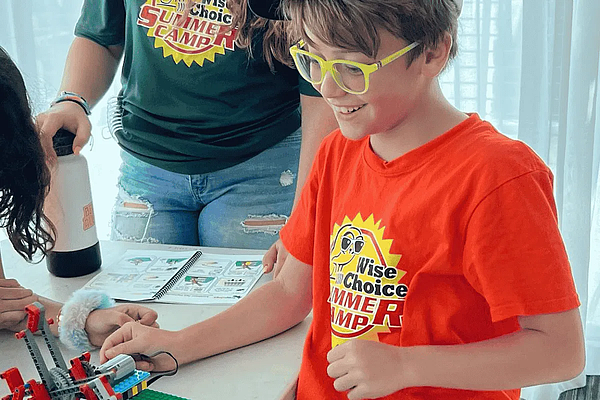

Can a Miami Summer Camp Help Kids Become Better Problem Solvers?
Most parents think summer camp is just about keeping kids busy. Arts and crafts, swimming, maybe some team sports. But there's more happening in those six weeks than sunscreen and snack time. The right camp builds something harder to measure—real problem-solving ability. Not just worksheets and puzzles, but the kind of thinking that shows up when things go wrong, when the script changes, when the easy answer isn't there.
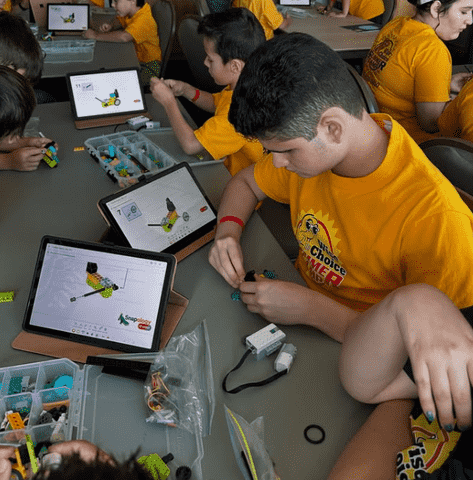
So here's what matters. If your kid spends the summer in a program that forces them to adapt, collaborate, and think through challenges in real time, they're getting a better return than any classroom can offer. Just don't assume every camp does this. The ones that do? They structure activities around friction—small, manageable problems that kids have to solve themselves.
Why This Skill Shows Up Everywhere Later
Problem-solving isn't a subject. It's the backbone of how kids navigate everything from group projects to friendship drama to figuring out what went wrong on a math test. The earlier they build that muscle, the less likely they are to freeze when something unexpected lands in front of them. It's not about being the smartest kid in the room. It's about being the one who knows what to do when nobody else does.
Strong problem solvers don't panic. They assess, adjust, and move forward. That's a skill set that carries through middle school, college, career decisions, and every curveball life throws after that. And it doesn't come from lectures. It comes from doing.
What Miami Camps Actually Build
Miami has no shortage of summer programs. Some are glorified babysitting. Others are designed to push kids into situations where they have to think, negotiate, and figure things out on the fly. The difference is in how the day is structured and whether the staff steps back enough to let kids struggle a little.
Here's where the growth happens:
- Collaborative challenges that require input from everyone: Group activities force kids to listen, compromise, and build on each other's ideas. Whether it's constructing something physical or planning a performance, the process itself teaches problem-solving.
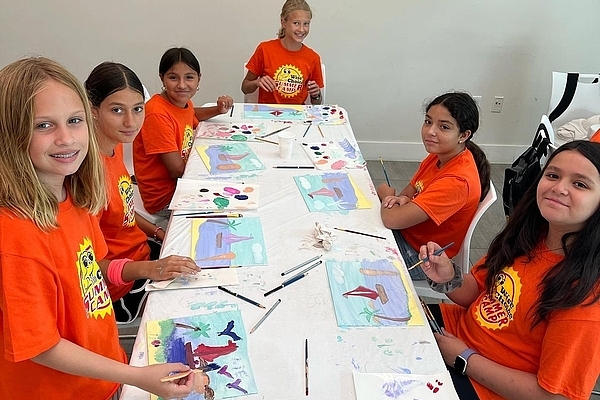
- Hands-on projects with no clear instructions: When kids are given materials and a goal but no step-by-step guide, they learn to experiment, fail, and iterate. That's where creativity meets logic.
- Low-stakes environments where failure isn't punished: Camp gives kids permission to try things that might not work. That psychological safety is critical for developing confidence in tackling new problems.
- Real scenarios that mirror adult decision-making: Some camps build challenges around environmental issues, resource management, or community projects. These activities teach kids how to apply critical thinking to tangible outcomes.
- Time constraints that force quick thinking: When there's a clock ticking or a competition element, kids learn to prioritize, delegate, and make decisions under pressure—skills that translate directly to academic and professional settings later.
When Kids Hit a Wall and Have to Think Through It
Picture a group tasked with building a bridge out of limited materials. The first design collapses. The second doesn't reach far enough. By the third attempt, they've figured out load distribution and structural balance—not because someone explained it, but because they had to solve it themselves. That's the kind of learning that sticks.
Or consider a theater group that loses a key prop minutes before showtime. The kids have to improvise, rework blocking, or create a substitute on the spot. Those moments of pressure and adaptation? That's where problem-solving ability gets forged.
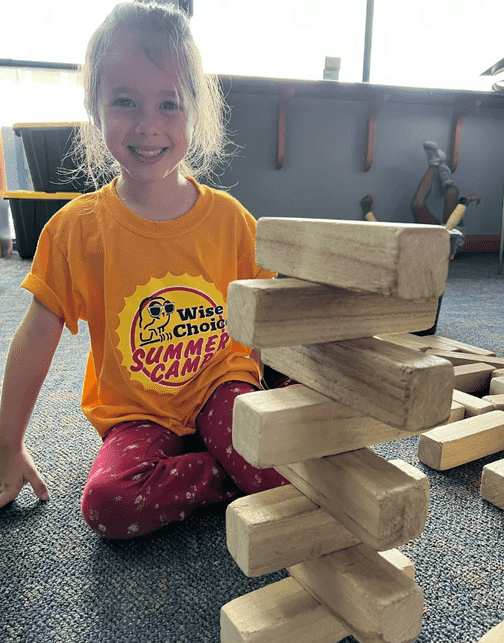
The Ripple Effect Beyond Summer
Kids who spend their summer solving problems don't just come back with stories and friendships. They come back wired differently. They approach homework setbacks with less frustration. They handle social conflicts with more maturity. They don't crumble when things don't go as planned.
This isn't about raising overachievers. It's about raising kids who aren't paralyzed by uncertainty. The ones who see a challenge and think "let me figure this out" instead of "I can't do this." That mindset shift is worth more than any academic boost.
What to Look for When You're Comparing Programs
Not every camp is built the same. Some lean heavy on structured fun with little room for independent thinking. Others design entire days around challenge-based learning. If you want your kid to come home with sharper problem-solving skills, here's what to ask about:
- How much autonomy do kids have during activities? If counselors are micromanaging every step, there's no room for independent thought.
- Are there open-ended projects or just scheduled rotations? Free exploration builds critical thinking. Rigid schedules don't.
- Do they emphasize process over perfection? Programs that celebrate effort and iteration over flawless outcomes teach resilience.
- Is there built-in reflection time? Kids need space to talk through what worked, what didn't, and why. That's how problem-solving becomes intentional.
- What's the counselor-to-camper ratio? Smaller groups mean more chances for individualized guidance and deeper problem-solving opportunities.
Miami Offers More Than Beaches and Heat
The camp scene here is packed with options. STEM-focused programs push kids into coding challenges and engineering builds. Outdoor adventure camps throw them into navigation exercises and survival scenarios. Arts camps force collaboration on performances and installations. The variety is there—you just have to know what you're looking for.
What matters most is whether the program treats kids like capable thinkers or just participants. The camps that do this well don't hand out answers. They guide, they observe, they step back. And they let kids work through the friction themselves.
Give Them the Tools, Not the Shortcuts
Enrolling your kid in a Miami summer camp won't automatically turn them into a genius strategist. But the right program gives them something better—a chance to practice thinking under pressure, working through setbacks, and building solutions from scratch. That's not fluff. That's the foundation for everything that comes next.
Choose a camp that values challenge over comfort. One that structures days around real problems and real collaboration. Because when summer ends, the arts and crafts projects get tossed. But the ability to solve problems? That's what sticks around.
Ready to See Your Child Grow?
We believe every child deserves a summer that challenges them to think, adapt, and thrive. If you want your kid to come home more confident and capable, let's talk about how our Miami summer camp can help. Call us at 305-630-3600 or contact us today to start the conversation about your child's best summer yet.
‹ Back
Recent Posts
-
Which Electives Can Kids Choose at a Miami Summer Camp?
July 23, 2026
-
-
Which Miami Summer Camp Location Is Closest to You?
July 9, 2026
-
-