

What Makes a Safe Miami Summer Camp for Kids?
Parents don't send their kids to summer camp hoping for the best. They send them expecting safety, structure, and supervision that actually works. Miami's got heat, humidity, water everywhere, and a mix of indoor and outdoor programming that can go sideways fast if the camp isn't built right. A safe camp isn't just about liability waivers and smiling counselors. It's about systems that hold up when things get messy.
So what separates the camps that protect kids from the ones that just look good on a website? It comes down to who's running the show, how they handle risk, and whether they've thought through the stuff most parents don't even know to ask about. If you're vetting summer camp locations in Miami for your child this summer, here's what actually matters.
Staff Who Know What They're Doing
The people watching your kids need more than enthusiasm. They need training that sticks and credentials that mean something. In Miami, where water activities and outdoor heat are part of the deal, counselors should be certified in CPR, first aid, and water rescue. Background checks aren't optional. Neither is ongoing training in emergency response and child development.
We've seen camps where staff turnover is high and training is rushed. That's a red flag. The best programs invest in their people year-round, not just the week before camp starts. Ask how long counselors have been with the program and what their qualifications include. If the answers are vague, keep looking.
Policies That Cover the Gaps
A safe camp has written protocols for everything from drop-off to medical emergencies. These aren't just for show. They're the playbook when something goes wrong. In Miami's climate, that means clear rules around hydration breaks, sun protection, and heat illness prevention. It also means a plan for sudden storms, which can roll in fast during summer months.
Check-in and check-out procedures should be tight. No child leaves with someone who isn't authorized. Allergy management should be documented and communicated across staff. And if there's an incident, parents should be notified immediately. Camps that take safety seriously don't hide behind fine print. They spell it out and follow through.
Facilities Built for Real Use
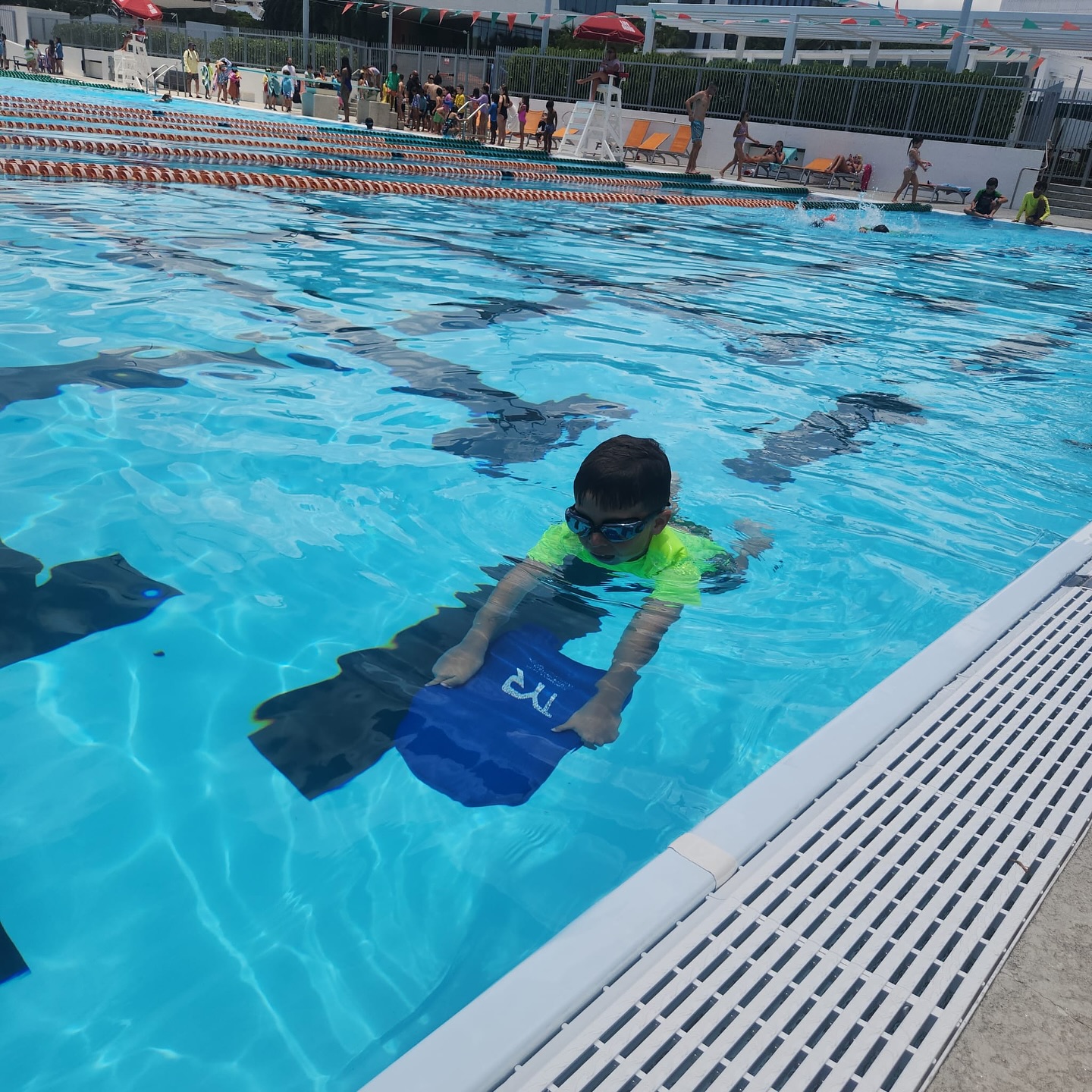
Clean bathrooms and fresh paint are nice, but they don't make a camp safe. What matters is whether the space is maintained, inspected, and secured. Pools need certified lifeguards on duty anytime kids are near water. Play equipment should be age-appropriate and checked regularly for wear. Fencing, gates, and access points should limit who can walk onto the property.
In Miami, where many camps operate near beaches, lakes, or pools, water safety infrastructure is non-negotiable. That includes life vests, rescue equipment, and clear boundaries for where kids can and can't go. If the camp offers field trips or off-site activities, ask how transportation is handled and what supervision looks like in transit.
Supervision That Scales with Risk
Low camper-to-staff ratios aren't just a marketing point. They're a safety measure. Younger kids need more eyes on them. High-risk activities like swimming, climbing, or boating require dedicated supervision. Camps that lump too many kids with too few adults are asking for trouble.
Age-appropriate grouping also matters. A seven-year-old shouldn't be doing the same activities as a twelve-year-old, and staff should be trained to adjust instruction and oversight based on developmental stage. In Miami, where outdoor activities are a big draw, make sure the camp matches activities to ability and keeps groups small enough to manage safely.
Key supervision standards to look for
- Ratios that meet or exceed state licensing requirements
- Dedicated staff for water activities and high-risk zones
- Clear protocols for tracking attendance throughout the day
- Counselors assigned to specific groups, not rotating randomly
- Backup staff available for emergencies or behavioral issues
Health Protocols That Actually Work
Hand sanitizer stations and daily temperature checks became standard during the pandemic, but good camps were already doing this stuff. Regular handwashing, sanitized equipment, and clean common areas reduce illness spread. Food handling should follow health department guidelines, and allergy information should be posted and reviewed with all staff.
Medical support is another must. Whether it's a nurse on-site or a clear plan for accessing urgent care, the camp should be ready to handle everything from scraped knees to allergic reactions. Ask where the nearest hospital is and how quickly staff can get there. In Miami's traffic, that's not always a quick trip.
Health and safety essentials every camp should have
- First aid kits stocked and accessible in multiple locations
- Allergy action plans for every child with known sensitivities
- Protocols for administering medication, including EpiPens
- Daily health screenings or check-ins for campers
- Clear communication with parents about illness or injury
Communication That Keeps Parents in the Loop
You shouldn't have to wonder what's happening at camp. Safe programs keep parents informed through regular updates, whether that's daily emails, photo sharing, or a parent portal. Staff should be reachable and responsive when you have questions or concerns. And if something goes wrong, you should hear about it from the camp, not your kid.
Transparency builds trust. Camps that hide incidents or brush off parent feedback are camps that cut corners elsewhere too. Look for programs that welcome questions and provide detailed answers about safety measures, staffing, and daily routines.
What good communication looks like
- Daily or weekly updates on activities and highlights
- Clear contact information for directors and counselors
- Incident reports shared promptly and honestly
- Open-door policies for parent visits or observations
- Pre-camp orientations that cover safety and expectations
Culture That Protects Every Kid
Miami's diversity is one of its strengths, and camps should reflect that. A safe environment is one where every child feels respected and included. That means anti-bullying policies that are enforced, not just posted. It means staff trained in cultural competency and conflict resolution. And it means zero tolerance for discrimination or exclusion.
Kids who feel safe emotionally are more likely to speak up when something's wrong. Camps that foster kindness, accountability, and open communication create a culture where safety isn't just physical. It's social and emotional too.
Cultural safety markers to watch for
- Anti-bullying policies with clear consequences
- Staff training in diversity, equity, and inclusion
- Conflict resolution processes that involve kids and parents
- Celebration of different backgrounds and traditions
- Safe spaces for kids to report concerns without fear
What to Ask Before You Commit
Don't rely on brochures or testimonials alone. Visit the camp in person. Watch how staff interact with kids. Ask about turnover rates, training schedules, and emergency drills. Request copies of safety policies and licensing documentation. If the camp hesitates or deflects, that's your answer.
Trust your instincts. If something feels off during a tour or conversation, it probably is. The right camp will welcome your questions and give you confidence that your child is in good hands.
Questions every parent should ask
- What certifications do your staff hold, and how often are they renewed?
- How do you handle medical emergencies and communicate with parents?
- What's your camper-to-staff ratio for different age groups and activities?
- How do you manage allergies, medications, and dietary restrictions?
- What's your policy on severe weather, and how do you keep kids safe during storms?
Safety Isn't Negotiable
Choosing a summer camp in Miami means weighing fun against risk. The camps that get it right don't compromise. They hire qualified staff, enforce strict policies, maintain safe facilities, and communicate openly with parents. They plan for the worst and work every day to prevent it.
Your child deserves more than a fun summer. They deserve a safe one. Do the homework, ask the hard questions, and pick a summer camp that earns your trust. Because when it comes to your kid's well-being, good enough isn't good enough.
Ready to Give Your Child a Safe, Unforgettable Summer?
We know how important it is to find a camp that puts your child's safety first while still delivering all the fun and adventure summer should bring. Let’s work together to make this summer the best one yet—reach out to us with your questions or to reserve your spot. Call us at 305-630-3600 or contact us today and let’s start planning a summer your family will love.
‹ Back
Recent Posts
-
What Keeps Kids Excited at Summer Camps in Miami?
October 15, 2026
-
Making Memories With Friends at a Miami Summer Camp
October 1, 2026
-
What Makes Summer Camp at the University of Miami So Much Fun?
September 17, 2026
-
Fun Things Kids Can Do at FIU Summer Camp in Miami
September 3, 2026
-
Which Miami Summer Camp Has the Activities Your Child Will Love?
August 20, 2026