
Do Longer Sumer Camps Help Kids Adjust Better in Miami?
Most parents think camp is just about keeping kids busy. Drop them off, pick them up, hope they had fun. But the timeline matters more than you'd think — and if you're not paying attention to it, you're missing the whole point. Short sessions might check a box, but they don't always give children the runway they need to actually settle in. Especially in a city like Miami, where the heat, the pace, and the mix of cultures can overwhelm even the most outgoing kid.
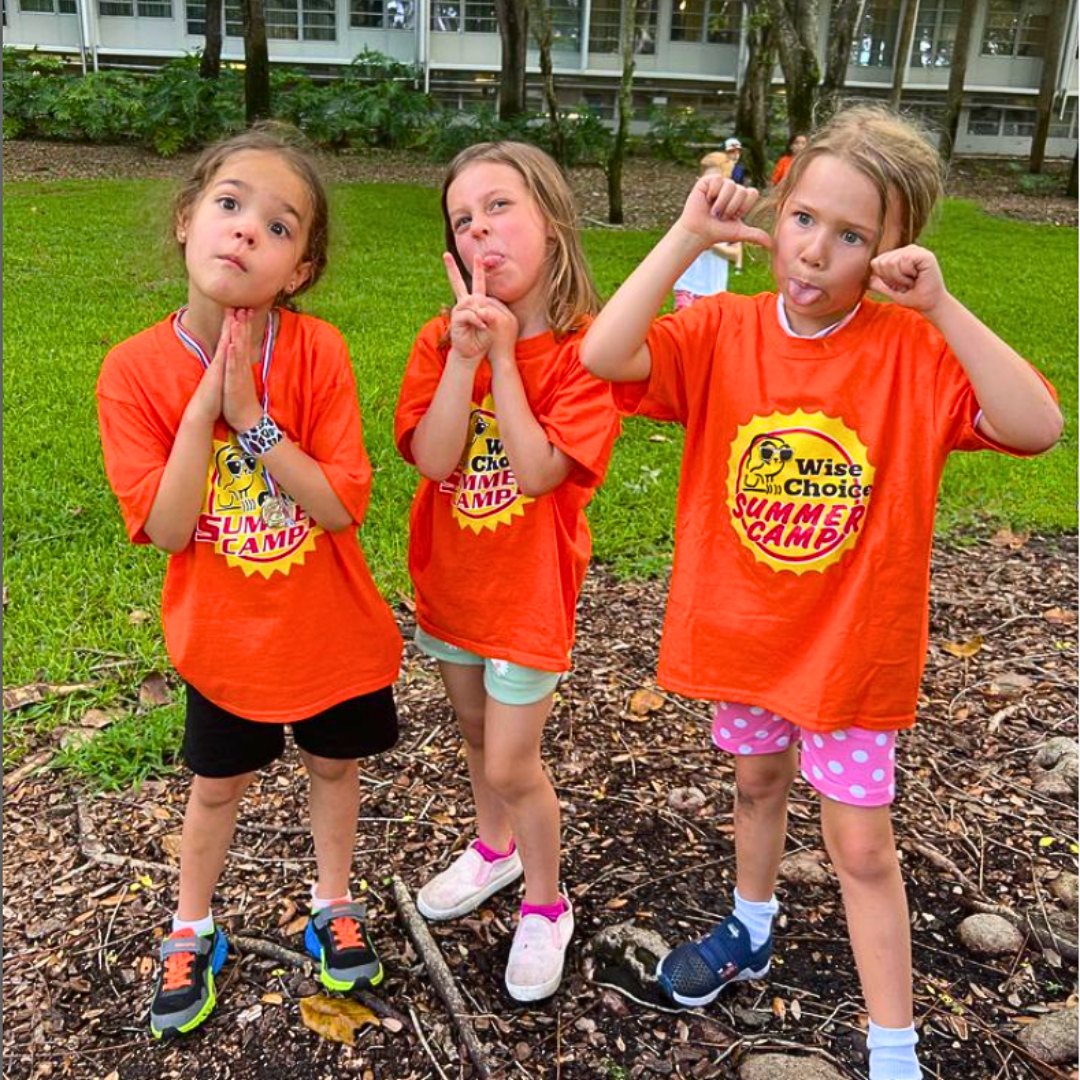
So here's what we've seen. If you're sending your child to camp to build real confidence and connection, duration isn't just a scheduling detail. It's the difference between surface-level participation and genuine growth. Every extra day gives them room to breathe. Every additional week lets them move past the awkward phase and into the part where camp actually clicks.
Miami Camps Aren't One Size Fits All
The camp landscape here is wild. You've got everything from sailing programs on the bay to coding bootcamps in air-conditioned classrooms. Some kids thrive in structured environments. Others need open-ended exploration. But no matter the format, the first few days are rough for almost everyone. New faces, new rules, new expectations — it's a lot to process, especially when you're eight years old and your parents just drove away.
One-week sessions are convenient. They're low-risk, easy to fit into a packed summer schedule, and they give kids a taste of what camp can be. But taste is all they get. By the time most children start feeling comfortable, it's already time to leave. Two-week or month-long programs flip that script. They give kids the chance to push through the discomfort and land somewhere better on the other side.
The First Few Days Are Always the Hardest
Homesickness isn't a character flaw. It's a normal response to being dropped into unfamiliar territory. In Miami, where family ties run deep and kids are used to tight-knit routines, that initial separation can hit harder than expected. Some children bounce back in a day. Others need more time to find their footing.
Longer sessions don't eliminate the adjustment period — they just give it room to resolve naturally. By day three or four, most kids know where the bathrooms are and who sits next to them at lunch. By the end of week one, they've figured out which counselors are strict and which activities they actually enjoy. With a second week in play, they stop worrying about fitting in and start focusing on what they came to do.
Friendships Need Time to Stick
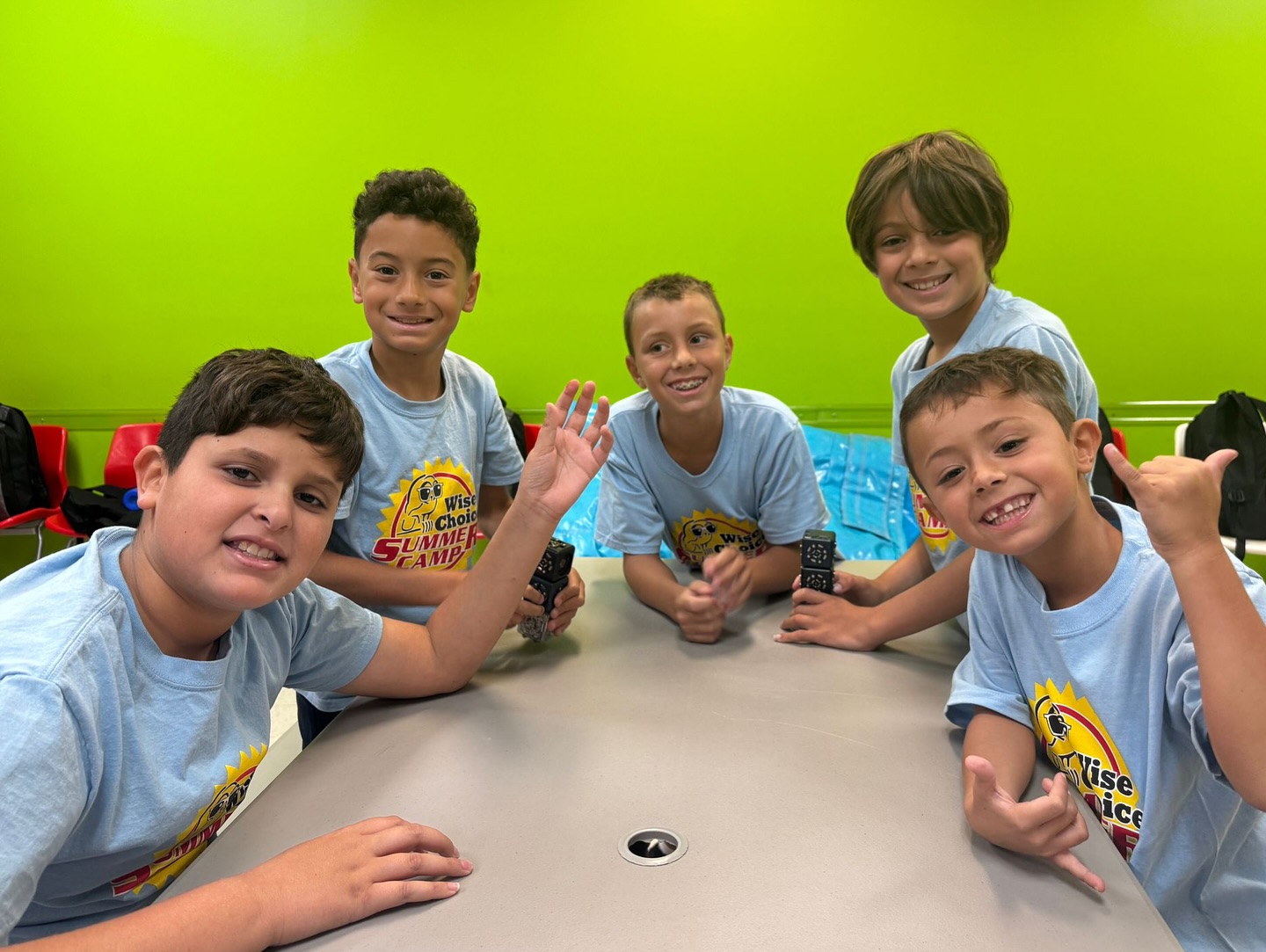
You can't force connection. It happens when kids stop performing and start relaxing. In shorter sessions, children are still in audition mode — trying to figure out who's cool, who's safe, who they want to hang out with. Real friendships form when that pressure lifts. When inside jokes develop. When trust gets built through shared experiences, not just shared space.
Extended camp time creates the conditions for that. Kids who spend two or three weeks together aren't just acquaintances. They become a crew. They learn each other's quirks, work through disagreements, and develop the kind of bond that doesn't evaporate the second camp ends. That's the stuff that builds social confidence — not icebreakers on day one.
Skill Development Requires Repetition
Miami camps offer serious variety. You've got water sports, visual arts, theater, robotics, nature exploration — the list goes on. But dabbling isn't the same as learning. If your child tries paddleboarding once and never touches it again, they didn't gain a skill. They just got wet.
Longer sessions let kids go deeper. They can try something new, fail at it, try again, and actually improve. That progression matters. It teaches persistence. It builds competence. And it gives children something tangible to take home — not just a participation trophy, but a real sense of accomplishment.
- Water sports programs benefit from repeated exposure to technique and safety protocols
- Art workshops allow kids to complete multi-day projects instead of rushed crafts
- Team sports give children time to learn plays, build chemistry, and improve coordination
- STEM activities let kids iterate on designs and troubleshoot problems over multiple sessions
- Leadership opportunities emerge naturally when kids stay long enough to mentor newer campers
Independence Doesn't Happen Overnight
Sending your child to camp is supposed to help them grow up a little. Learn to manage their own stuff. Make decisions without you hovering. Handle conflict without running to an adult every five minutes. But that kind of independence takes practice — and practice takes time.
In a one-week session, kids are still figuring out the basics. Where do I put my towel? What happens if I forget my water bottle? Who do I talk to if I'm upset? By week two, those questions are answered. They've developed routines. They've learned to advocate for themselves. They've discovered they can handle more than they thought.
- Children learn to manage personal belongings without constant reminders
- They practice conflict resolution with peers instead of relying on immediate adult intervention
- They make choices about how to spend free time and which activities to prioritize
- They develop problem-solving skills when things don't go as planned
- They build emotional regulation by navigating frustration, disappointment, and excitement on their own
Emotional Resilience Gets Tested and Strengthened
Camp isn't always fun. Sometimes it's hot. Sometimes the activity you were excited about turns out to be boring. Sometimes the kid you wanted to be friends with isn't interested. Those moments are uncomfortable — but they're also valuable. They teach children that discomfort is temporary and that they're capable of pushing through it.
Shorter sessions don't always provide enough time for that lesson to land. Kids might leave camp feeling like they didn't quite get it, or that they weren't good enough, or that camp just wasn't for them. Longer sessions give them the chance to work through those feelings and come out stronger. They learn that a bad day doesn't define the whole experience. That's a lesson that sticks.
- Children experience setbacks and learn to recover without giving up
- They practice emotional regulation in real-time social situations
- They develop coping strategies for homesickness, frustration, and disappointment
- They build confidence by overcoming challenges they initially thought were too hard
- They learn that growth often feels uncomfortable before it feels good
Miami's Heat and Pace Add Another Layer
Let's not pretend Miami is easy. The humidity alone can knock kids sideways if they're not used to it. Add in the fast pace, the noise, the constant movement, and you've got an environment that demands adjustment. Children who live here year-round are already acclimated. But for kids who aren't, or for those who are naturally more sensitive to sensory input, the first few days can be overwhelming.
Longer sessions give children time to adapt to the physical and sensory demands of Miami camp life. They learn to hydrate without being told. They figure out which activities are best in the morning before the heat peaks. They get used to the rhythm of the city and stop feeling like everything is moving too fast.
- Kids acclimate to Miami's heat and humidity with repeated daily exposure
- They learn to pace themselves during outdoor activities to avoid exhaustion
- They develop hydration habits that become second nature
- They adjust to the sensory intensity of a busy, multicultural environment
- They become more comfortable navigating the unique energy of Miami Miami's camp culture
When Shorter Sessions Make Sense
We're not saying every child needs a month-long camp experience. Some kids do better with shorter commitments, especially if they're young, anxious, or trying camp for the first time. A one-week session can be a great way to test the waters without overwhelming a child who's already nervous.
But if your goal is meaningful adjustment — the kind that leads to lasting confidence, deeper friendships, and real skill development — longer sessions deliver. They give children the time they need to move past survival mode and into thriving mode. That's where the magic happens.
- First-time campers may benefit from shorter sessions to ease into the experience
- Younger children with limited attention spans might do better with one-week programs
- Kids with anxiety or sensory sensitivities may need gradual exposure before committing to longer stays
- Families with packed summer schedules might prioritize shorter sessions for logistical reasons
- Children who are testing out a new activity may prefer a shorter trial before diving deeper
The Payoff Shows Up Later
The benefits of longer camp sessions don't always reveal themselves immediately. Your child might not come home raving about their experience. They might be tired, sunburned, and ready for their own bed. But watch what happens over the next few weeks. They'll talk about their camp friends. They'll reference inside jokes. They'll ask to go back next year. That's when you know the adjustment worked.
Camp isn't just about filling time. It's about giving children the space to grow in ways they can't at home. Longer sessions provide that space. They let kids stumble, recover, and come out stronger. In a city as dynamic and demanding as Miami, that kind of growth doesn't happen in a few days. Parents exploring camp locations should consider how field trips, swimming, and outdoor activities contribute to this development over extended sessions. And when you give kids that time, they rise to meet it.
Ready to Help Your Child Thrive?
We know how important it is to find the right camp experience that truly supports your child's growth and adjustment. If you're considering longer sessions or have questions about what will work best for your family, let's talk it through together. Give us a call at 305-630-3600 or contact us—we're here to help you make the best choice for your child’s summer in Miami.
‹ Back
Recent Posts
-
Making Memories With Friends at a Miami Summer Camp
October 1, 2026
-
What Makes Summer Camp at the University of Miami So Much Fun?
September 17, 2026
-
Fun Things Kids Can Do at FIU Summer Camp in Miami
September 3, 2026
-
Which Miami Summer Camp Has the Activities Your Child Will Love?
August 20, 2026
-
Is the University of Miami the Right Choice for Summer Camp?
August 13, 2026