

Can Kids Attend Summer Camp at the University of Miami?
Parents hunting for summer programs face the same problem every May: too many options, not enough clarity. The University of Miami runs camps — lots of them — but they're not all built the same. Some are open to any kid in the area. Others have age caps, skill requirements, or waiting lists that fill before you've finished your morning coffee.
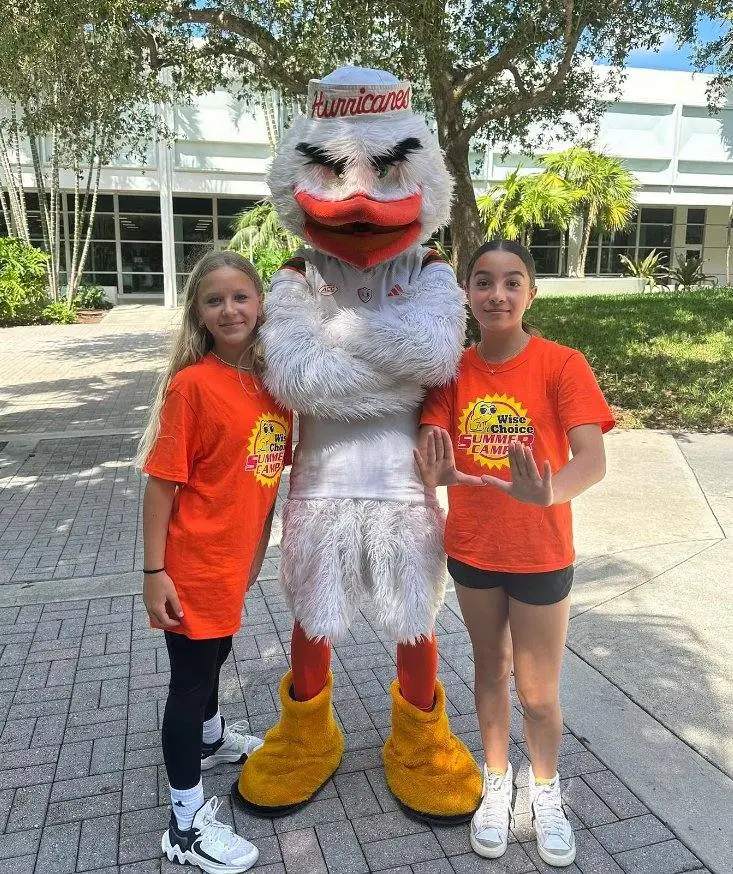
If you're banking on UM as your summer solution, you'd better know what you're walking into. These programs aren't just babysitting with a campus backdrop. They're structured, selective in some cases, and tied to real university resources. Which means your kid could be learning from coaches who train Division I athletes or instructors who actually work in their field year-round.
What the University Actually Offers
UM doesn't run one giant camp. It runs dozens, each managed by different departments with different goals. Some focus on getting kids excited about college. Others exist to train the next generation of quarterbacks or coders. A few are purely recreational. The common thread? They're all hosted on campus, which gives participants access to facilities most schools can only dream about.
These programs pull from a broad age range — typically starting around age five and running through high school. But not every camp accepts every age group. You'll need to read the fine print before assuming your seven-year-old can sign up for the same robotics camp as your teenager.
Sports Programs Built for Performance
UM's athletic camps are where the university's reputation really shows up. Football, basketball, baseball, soccer, swimming, tennis — all available, all coached by people who know what they're doing. These aren't glorified gym classes. They're training camps designed to sharpen technique, build conditioning, and expose kids to higher-level competition.
Parents looking for serious skill development gravitate here. The camps are often taught by UM coaching staff or former players, which means your kid isn't just learning drills — they're learning from people who've been in the game at a high level. Facilities match the quality of instruction. You're talking Olympic-sized pools, turf fields, and weight rooms that rival what most high schools have.
STEM and Academic Tracks That Go Beyond the Classroom
If your kid would rather code than spike a volleyball, UM has options there too. Science and technology camps lean heavy on hands-on work — building robots, running experiments, dissecting problems that don't have easy answers. These aren't lectures. They're labs, workshops, and group challenges designed to keep minds sharp when school's out.
Some programs partner with UM's medical or engineering schools, which opens doors most summer camps can't touch. Kids might tour research facilities, meet grad students, or work on projects that mirror what undergrads are doing during the school year. It's exposure that sticks — and for some, it plants a seed that grows into a college major down the line.
Creative Arts and Performance Options
Theater, music, dance, visual arts — UM runs camps for kids who think in color and sound. These programs are structured but flexible, giving participants room to explore their own creative instincts while learning foundational skills. Instructors are typically working artists or faculty from the Frost School of Music, which means the quality bar is set high.
By the end of the session, many camps culminate in a performance or showcase. That's not just for parents to snap photos — it's a real motivator. Kids work harder when they know there's a stage waiting. And for some, that's where confidence gets built in ways that carry over into everything else.
Who Gets In and How It Works
Most camps are open enrollment, but popular ones fill fast. Registration usually opens in early spring, and if you wait until June, you're probably looking at a waitlist. Some programs have prerequisites — skill assessments, age brackets, or prior experience requirements. Others are first-come, first-served.
Cost varies widely depending on the program. Sports camps tend to run higher, especially multi-day sessions with overnight options. Academic and arts camps are often more affordable, though specialized tracks like medical immersion or advanced music theory can carry premium pricing. Financial aid exists in some cases, but you'll need to apply early and provide documentation.
What Your Kid Actually Gains
Camps at UM aren't just about keeping kids busy. They're about exposure — to new skills, new peers, and new environments. Being on a college campus changes the frame of reference. Suddenly, higher education doesn't feel abstract. It feels reachable.
Beyond that, these programs teach kids how to function in structured, high-expectation settings. They learn to follow instruction, work with others, and push through challenges without a parent standing by. Those are life skills, not just camp perks. And for kids considering UM or any other university down the road, spending a summer on campus is one of the best ways to test the fit before committing four years and a tuition bill.
How to Lock Down a Spot
Check UM's official summer programs page or contact the specific department running the camp you're interested in. Don't rely on third-party listings or old brochures. Details change every year — dates, fees, age limits, availability.
Once you've confirmed the program fits, register as soon as the window opens. Popular camps sell out in days, not weeks. Have your payment method ready, your child's medical info on hand, and any required forms filled out ahead of time. Procrastination here costs you the spot.
- Review age requirements and skill prerequisites before registering
- Register early — most camps open enrollment in February or March
- Check if financial aid or scholarships are available and apply immediately
- Confirm transportation logistics if you're commuting from outside Coral Gables
- Keep copies of registration confirmations and medical waivers
Common Pitfalls Parents Hit
Waiting too long to register is the biggest mistake. By the time June rolls around, most camps are closed or down to their last few spots. Another misstep: assuming all camps are drop-off and pick-up. Some run overnight. Some require kids to stay on campus for the full week. If you're not clear on logistics, you'll scramble at the last minute.
Also, don't sign your kid up for a camp they're not ready for. If a program lists "intermediate" as the baseline and your child has zero experience, it's not going to go well. Mismatched expectations lead to frustration — for the kid, the instructor, and you.
- Don't assume every camp has the same schedule or format
- Read cancellation and refund policies before paying
- Verify if lunch or snacks are included or if you need to pack them
- Double-check whether overnight stays are mandatory or optional
- Ask about group sizes and instructor-to-camper ratios

Red Flags That Signal a Bad Fit
If a camp's website hasn't been updated in two years, that's a warning sign. Outdated information usually means outdated programming. Same goes for vague descriptions that don't list instructors, schedules, or learning objectives. Quality camps are transparent about what they deliver.
Also watch for programs that cram too many kids into one session. If the ratio is 20-to-1 or worse, your child's getting crowd control, not instruction. Smaller groups mean more attention, better feedback, and safer environments — especially for younger kids.
- Unclear or missing instructor credentials
- No listed schedule or daily breakdown of activities
- Reviews that mention poor communication or disorganization
- High staff turnover or inconsistent leadership year over year
- Lack of clear safety protocols or emergency contact procedures
What Happens After Registration
Once you're locked in, you'll receive a confirmation email with details about start dates, required supplies, and what to expect on day one. Some camps send packing lists if overnight stays are involved. Others provide orientation sessions for parents and kids to meet instructors and tour facilities.
Stay on top of those emails. Missing a form deadline or forgetting to submit medical clearance can bump your kid out of the program. UM's not going to chase you down. They expect parents to handle logistics on their end.
- Submit all required medical and liability forms on time
- Confirm drop-off and pick-up locations and times
- Label all personal belongings if your child is staying overnight
- Save contact numbers for camp coordinators and emergency lines
- Review behavioral expectations and rules with your child before day one
When It's Worth the Investment
If your kid is serious about a skill — whether that's soccer, coding, or performing arts — a UM camp is money well spent. The instruction level is higher than most recreational programs, and the peer group pushes kids to raise their game. But if your child is just looking for a fun way to pass June, there are cheaper options that do the job without the pressure.
These camps work best for kids who thrive in structured, achievement-oriented environments. If your child needs a lot of hand-holding or doesn't do well with competition, some of these programs might feel overwhelming. Know your kid's temperament before you commit.
- Best for kids who are self-motivated and comfortable in group settings
- Worth it if your child is considering UM or similar universities later
- Strong value if you're looking for skill-building over pure recreation
- Less ideal if your child needs constant one-on-one attention
- High return on investment if the program aligns with their long-term interests
The Real Takeaway for Parents
UM's summer camps are accessible, well-run, and offer real value — but they're not a one-size-fits-all solution. You'll need to do the homework: check age requirements, compare costs, read reviews, and register early. The programs that work best are the ones that match your child's interests and readiness level, not just the ones that fit your schedule.
These camps don't just fill time. They build skills, confidence, and connections. For families serious about giving their kids a summer that actually moves the needle, summer camp at the University of Miami delivers, and for those exploring other Miami summer camp locations, programs like Wise Choice Summer Camp offer additional structured options with activities including arts and crafts and outdoor activities. Just make sure you're signing up for the right program, at the right time, with realistic expectations about what your child will get out of it.
Ready to Plan Your Child’s Best Summer Yet?
We know how important it is to find a summer camp that truly fits your child’s interests and your family’s needs. Let’s make this summer one to remember—reach out to us with your questions or to secure your spot. Call us at 305-630-3600 or contact us today and let’s get started on your child’s next adventure.
‹ Back
Recent Posts
-
Which Electives Can Kids Choose at a Miami Summer Camp?
July 23, 2026
-
-

Which Miami Summer Camp Location Is Closest to You?
July 9, 2026
-
-