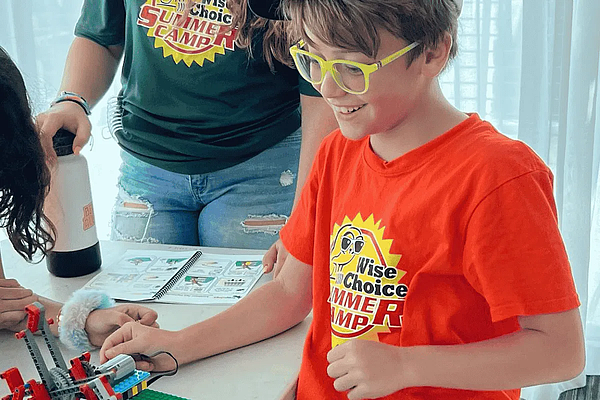

Can a Summer Camp in Miami Help Kids Stay Mentally Active?
Summer break hits, and within weeks, most kids in Miami have already shifted from classroom routines to complete mental downtime. That's not a vacation—it's a cognitive slowdown. Studies back this up: children who disengage from learning over the summer lose months of reading comprehension and math skills. The effect compounds. What seemed harmless in June becomes a setback by August, and parents scramble to catch up once school resumes.
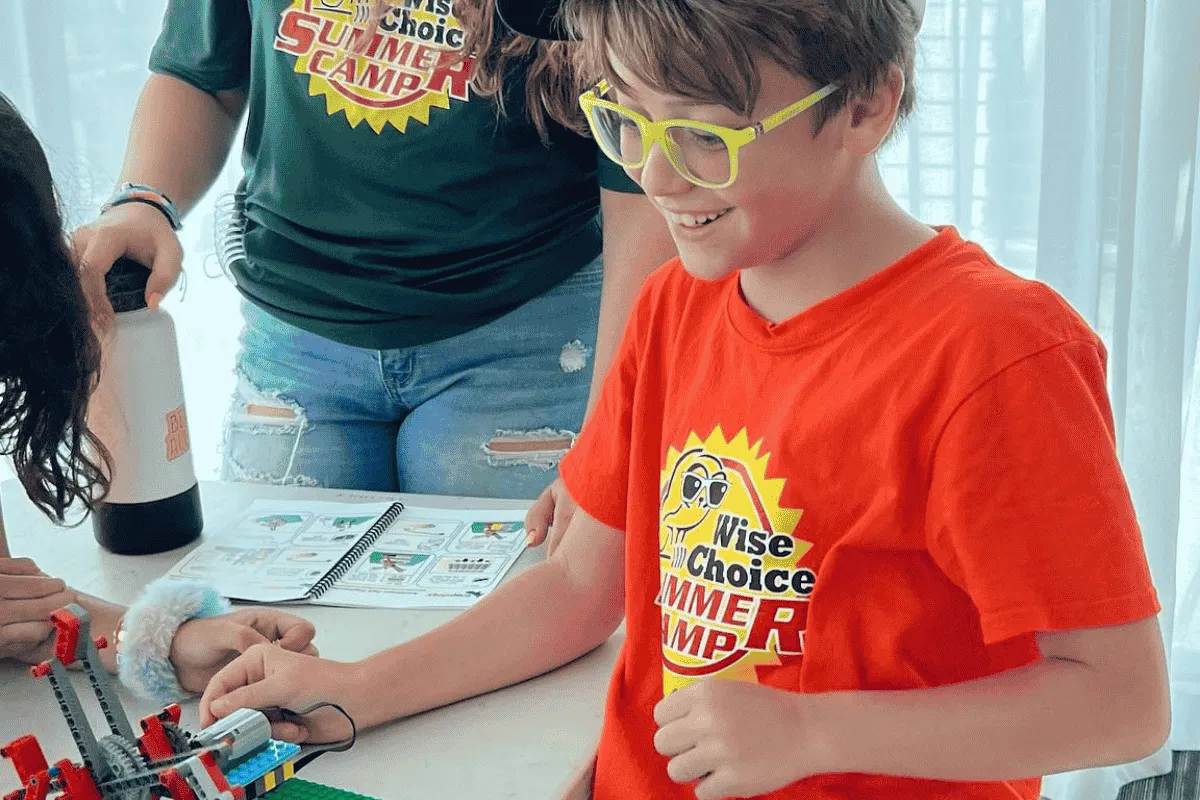
Summer camps aren't just about keeping kids busy or tired enough to sleep through the night. The right program creates an environment where mental engagement happens naturally—through challenge, curiosity, and structured exploration. Miami offers a wide spectrum of camp options, and if chosen strategically, they can keep young minds sharp without feeling like extended school.
What Happens When the Brain Takes Three Months Off
The summer slide isn't a myth. It's measurable, predictable, and unforgiving. Research shows that kids can drop back two full months in academic progress during prolonged breaks. Reading skills erode. Math fundamentals weaken. Critical thinking gets rusty. For some children, especially those without access to enrichment at home, the gap widens every summer and never fully closes.
Mental activity doesn't need to look like homework or flashcards. It just needs to exist. Camps that incorporate problem-solving, creative thinking, or experiential learning provide the stimulation kids need to maintain cognitive momentum. And Miami's camp ecosystem is built for exactly that—if you know what to look for.
Camp Options That Actually Engage the Mind
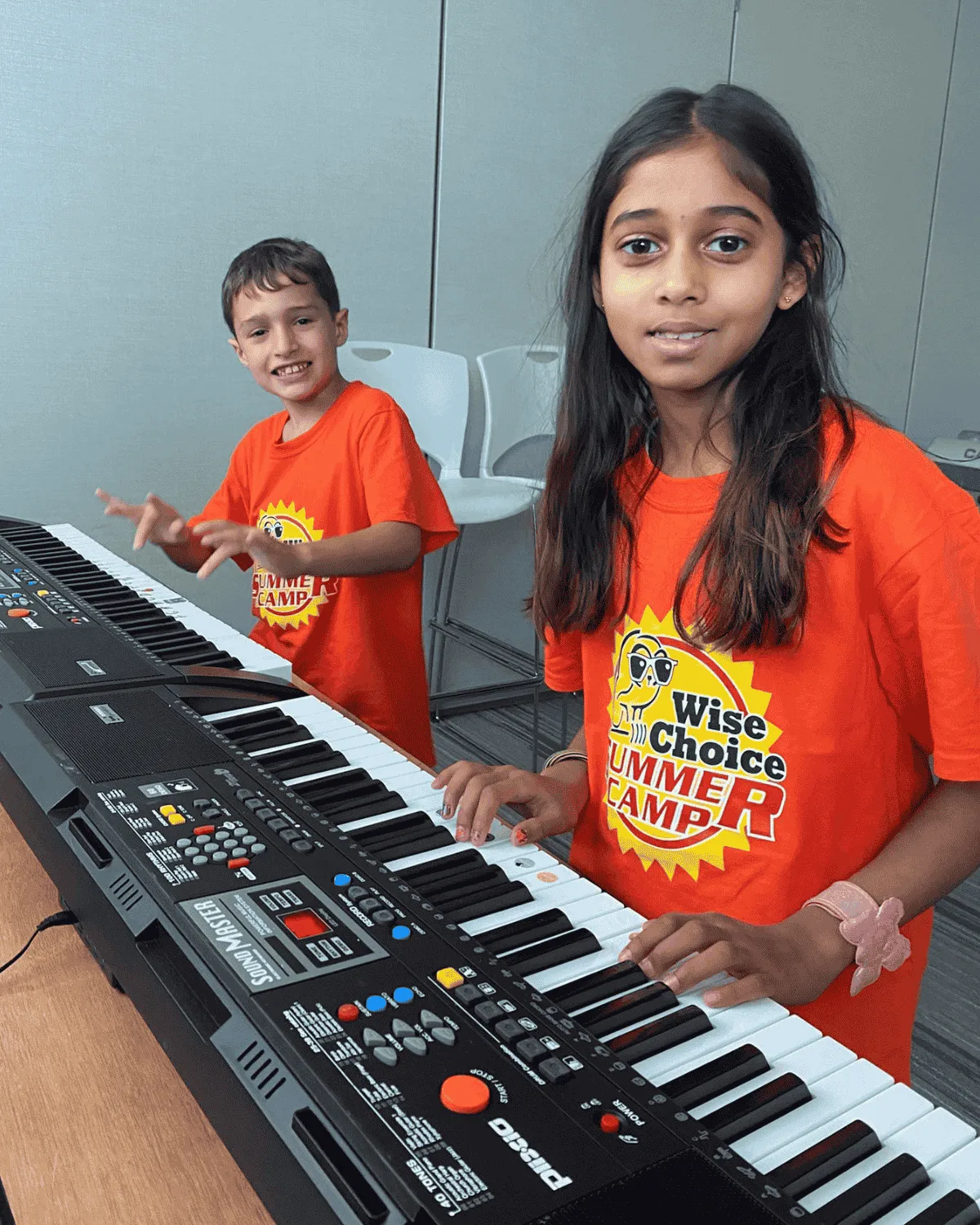
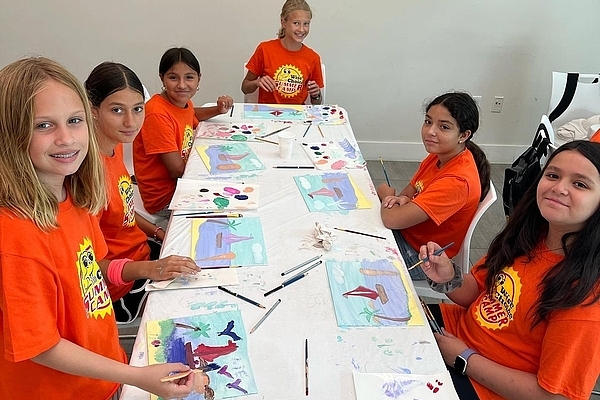
Miami's summer camp landscape is dense with choices. Not all of them are created equal, but plenty are designed to do more than babysit. STEM programs push kids into robotics, coding, and engineering challenges. Arts camps demand creative problem-solving and self-expression. Language immersion programs force cognitive flexibility. Even sports-based camps, when done right, integrate strategy, teamwork, and decision-making under pressure.
The key is matching the camp to the child's interests while ensuring the program emphasizes active learning. If a camp's daily schedule looks like glorified recess with no structure, it's not going to move the needle. But if there's intention behind the activities—hands-on projects, collaborative challenges, skill progression—then the mental engagement is real.
Why Camps Work Better Than Passive Summer Plans
Unstructured summer days sound appealing in theory. Sleep in, relax, recharge. But for most kids, especially younger ones, complete freedom translates to mental drift. Video games, streaming platforms, and idle scrolling dominate. There's no challenge. No new input. No reason to stretch cognitively.
Camps impose structure without rigidity. They create environments where learning happens through doing, not listening. Kids build things. They collaborate with peers. They face obstacles and figure out solutions. That's not downtime—it's brain work disguised as fun. And because it's interactive and social, the retention sticks better than anything from a worksheet.
Mental Benefits Built Into the Camp Experience
The cognitive advantages of summer camps aren't accidental. They're embedded in how quality programs operate. Here's what makes them effective:
- Interactive learning methods that require kids to engage directly with materials, tools, and ideas rather than passively absorbing information
- Social collaboration that builds communication skills, empathy, and the ability to navigate group dynamics and conflict resolution
- Exposure to new subjects and hobbies that spark curiosity and open doors to interests kids might never encounter in traditional school settings
- Structured routines that keep minds disciplined and focused without the pressure of grades or standardized assessments
- Real-world application of concepts through field trips, experiments, and projects that connect learning to tangible outcomes
Miami's Geographic and Cultural Edge
Location matters. Miami's environment gives camps a natural advantage. Access to marine ecosystems, cultural institutions, and outdoor spaces means kids can learn biology at the beach, history at museums, and ecology in the Everglades. These aren't extras—they're core components of how many camps operate here.
Cultural diversity also plays a role. Miami's multilingual, multicultural landscape enriches camp experiences in ways that homogenous environments can't replicate. Kids interact with peers from different backgrounds, hear multiple perspectives, and develop cognitive flexibility that extends far beyond summer.
What Parents Should Reinforce at Home
Camp alone won't solve everything. Parental involvement amplifies the impact. When kids come home from camp, ask them what they learned. Encourage them to demonstrate a new skill or explain a project. Stock the house with books, puzzles, and creative tools that align with their camp interests. Small reinforcements keep the mental engine running even on off days.
We've seen firsthand how consistent engagement—both at camp and at home—creates momentum. Kids who stay mentally active over the summer return to school with confidence, retained skills, and often an expanded curiosity about subjects they didn't care about before.
Picking a Program That Delivers
Not every camp will keep your child mentally engaged. Some are glorified daycare. Others are too narrowly focused. The sweet spot is a program that balances academic enrichment, creative exploration, and physical activity. Look for camps that have clear learning objectives, trained staff, and a track record of skill development.
Ask questions before enrolling. What does a typical day look like? How are activities structured? What skills will my child walk away with? If the camp can't answer those questions clearly, keep looking. Questions parents should ask help identify quality programs, and Miami has enough quality options that settling isn't necessary.
Summer Programs Aren't Just Filler
Treating summer camp as a convenience misses the bigger picture. Done right, these programs bridge the gap between school years and keep cognitive development on track. They introduce new challenges, build social skills, and maintain the mental habits that make learning sustainable. Miami's camps, with their access to unique environments and diverse communities, offer more than supervision—they offer real developmental value. Choose strategically, stay involved, and your child won't just survive the summer slide. They'll bypass it entirely.
Let's Keep Young Minds Growing Together
We all want our kids to return to school energized, confident, and ready to tackle new challenges. The right summer camp can make that happen, and we're here to help you find the perfect fit for your child’s interests and needs. If you’re ready to give your child a summer of growth and discovery, call us at 305-630-3600 or contact us today to get started.
‹ Back
Recent Posts
-
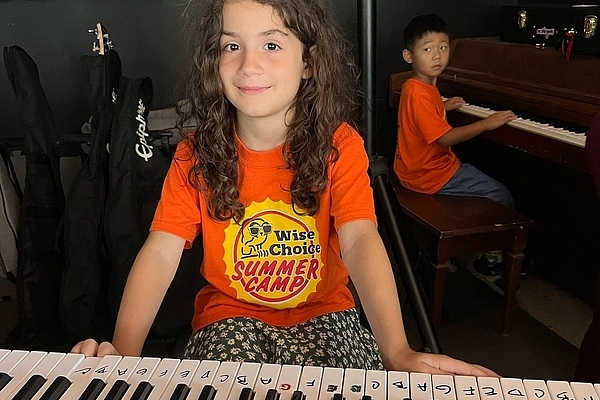
Which Electives Can Kids Choose at a Miami Summer Camp?
July 23, 2026
-
-
Which Miami Summer Camp Location Is Closest to You?
July 9, 2026
-
-