

Building Daily Routines at a Summer Camp at the University of Miami
Most camp directors think routines are just about keeping kids on schedule. Wake up, eat, activities, lights out. But parents and counselors see more than that—and if you don't, you're missing the bigger picture. Routines aren't just time slots on a whiteboard. They're the framework that turns chaos into confidence, especially when you're dealing with homesickness or first-time campers who need structure to feel safe.
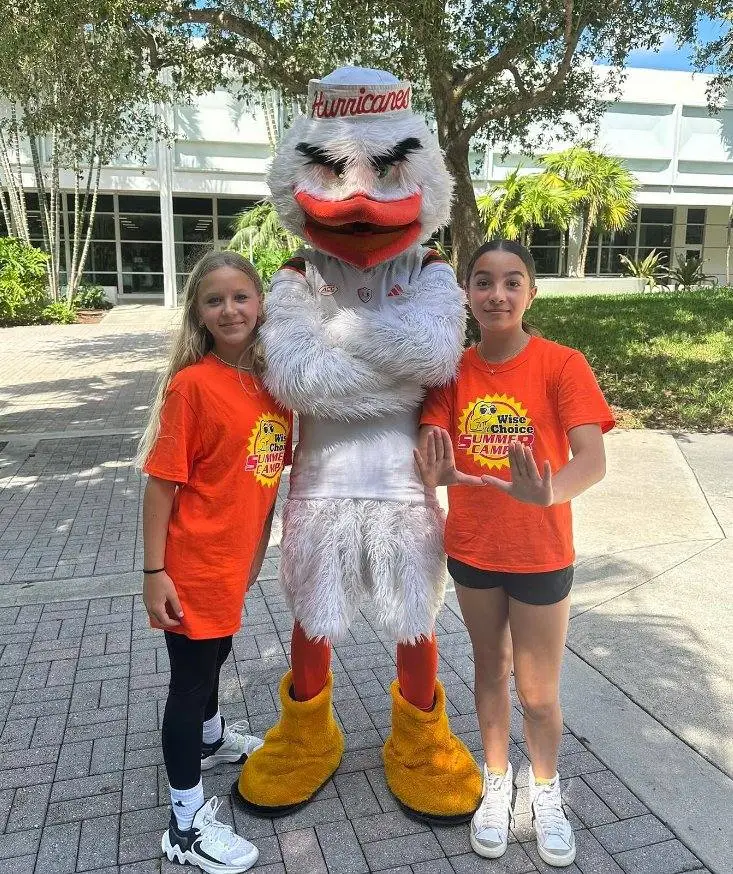
So here's what matters. If you're building something real at a University of Miami summer camp, those daily rhythms have to be intentional. Every transition should feel natural. Every activity needs purpose. And every decision about scheduling should be grounded in what campers actually need—not just what looks good on a parent brochure.
Why Structure Isn't the Enemy of Fun
Nine times out of ten, kids thrive when they know what's coming next. You set expectations, they follow through—that's trust, not rigidity. Counselors don't micromanage every minute, only the moments that keep everyone moving in the right direction.
But if that routine gets too loose? Different story. Unstructured time can turn into wasted time, especially when campers don't know what options they have or where they're supposed to be. We've seen this happen in real time during free periods. Plenty of camps thought flexibility was enough—it wasn't. And when structure disappears, anxiety fills the gap unless you've planned outdoor activities that feel optional but are still guided.
Morning Momentum Sets the Tone
You can't skip the start of the day and expect momentum later—that's just hoping for good vibes. But the energy you build early? That carries through. Camp mornings at the University of Miami typically include wake-up routines that aren't rushed, breakfast that feels social rather than transactional, and a group kickoff that gets everyone aligned.
Here's where that rhythm matters most:
- Wake-up calls that allow time for personal routines without panic
- Communal breakfast that doubles as team bonding
- Morning assembly with announcements, goals, and maybe a quick game
- Clear transition cues so campers know when and where to head next
- Counselor check-ins to gauge mood and energy levels before diving into activities
Academic Sessions That Don't Feel Like School
Want campers to engage? You'll need to prove the learning is real—and that it's worth their attention. The University of Miami camps integrate workshops and enrichment blocks that feel more like discovery labs than lectures. Faculty and counselors design hands-on projects, interactive challenges, and collaborative problem-solving sessions that make STEM enrichment, arts, or language learning feel like play.
We focus on three main principles:
- Sessions are short enough to maintain focus but deep enough to matter
- Content connects to real-world applications campers actually care about
- Group work encourages peer learning without isolating quieter participants
Miss one of those, and engagement drops. Even if the topic sounded exciting on paper. And if any session drags past attention span limits? That portion loses impact. No salvaging a workshop when half the room mentally checked out fifteen minutes ago.
Physical Activity Builds More Than Muscle
If your camp schedule skips intentional movement, you're asking for restless afternoons and behavioral issues. Campers need outlets for energy, and the University of Miami's facilities make that easy. Swimming pools, courts, fields—every space is designed to keep bodies active and minds sharp.
Most sessions rotate to prevent burnout and ensure variety. Soccer one day, tennis the next, maybe a team challenge course midweek. The goal isn't to create elite athletes. It's to teach collaboration, resilience, and the kind of confidence that comes from trying something new and sticking with it.
Midday Reset Prevents Afternoon Crashes
Lunch isn't just fuel. It's a chance to slow down, regroup, and let the morning settle before jumping into round two. At University of Miami camps, we build in structured downtime after meals—reading, quiet games, or just sitting under a tree. Some campers need that mental break more than others, but everyone benefits from the pause.
Here's what a solid midday routine includes:
- Nutritious meals served in a relaxed environment
- Designated quiet time that isn't mandatory sleep but encourages rest
- Optional low-key activities for campers who recharge through gentle movement
- Hydration stations and shaded spaces for those who need to cool off
- Counselor-led reflection prompts to help campers process the morning

Afternoons Are for Exploration and Expression
Creative sessions hit different when they happen after campers have burned off energy and settled into the day's flow. University of Miami camps schedule arts and crafts, music activities, drama, and exploratory projects for the afternoon, giving campers space to experiment without pressure. These blocks are where personalities emerge and friendships deepen.
The best sessions offer choice within structure. Campers might rotate through stations, pick electives, or dive into passion projects with counselor guidance. It's flexible enough to feel personal but organized enough that no one feels lost.
Evening Wind-Down Brings It All Together
Dinner and evening reflection anchor the day. We gather campers for meals, then transition into group discussions, talent shows, or themed events that celebrate what happened since morning. Counselors facilitate conversations that let campers articulate what they learned, what challenged them, and what they're excited about tomorrow.
These evening routines matter because:
- They create closure and help campers process experiences
- Social events build community and give everyone a chance to shine
- Reflection time teaches emotional intelligence and self-awareness
- Consistent bedtime routines ensure everyone gets rest for the next day
- Counselors can address any concerns or conflicts before they escalate overnight
Flexibility Keeps Routines From Feeling Rigid
Want to maintain structure without suffocating spontaneity? You'll need counselors who read the room and adjust on the fly. Rainy day? Shift outdoor activities inside without losing momentum. Campers buzzing with energy after a workshop? Add an impromptu relay race before quiet time. The University of Miami approach values adaptability within the framework, so routines serve campers rather than control them.
Routines Build Independence One Day at a Time
Taking on camp life isn't the hard part. Navigating it with confidence—and knowing what comes next without constant reminders—that's where growth happens. There's no shortcut when you're teaching kids to manage their own time, belongings, and emotions. But there's also no better environment than a well-structured summer camp to build those skills.
At University of Miami camps, we help young people do more than survive a few weeks away from home. We help them thrive—with clarity, support, and routines that make every day feel purposeful. Because when you build daily rhythms right, campers don't just follow along. They lead themselves.
Ready to Build Lasting Camp Memories?
We believe every camper deserves a routine that sparks confidence, creativity, and connection. If you want your child to experience a summer where structure and fun go hand in hand, let's talk about how we can make it happen together. Call us at 305-630-3600 or contact us to start planning your camper’s best summer yet.
‹ Back
Recent Posts
-
What Keeps Kids Excited at Summer Camps in Miami?
October 15, 2026
-
Making Memories With Friends at a Miami Summer Camp
October 1, 2026
-
What Makes Summer Camp at the University of Miami So Much Fun?
September 17, 2026
-
Fun Things Kids Can Do at FIU Summer Camp in Miami
September 3, 2026
-

Which Miami Summer Camp Has the Activities Your Child Will Love?
August 20, 2026